
India
News & Stories
|
September 4, 2026
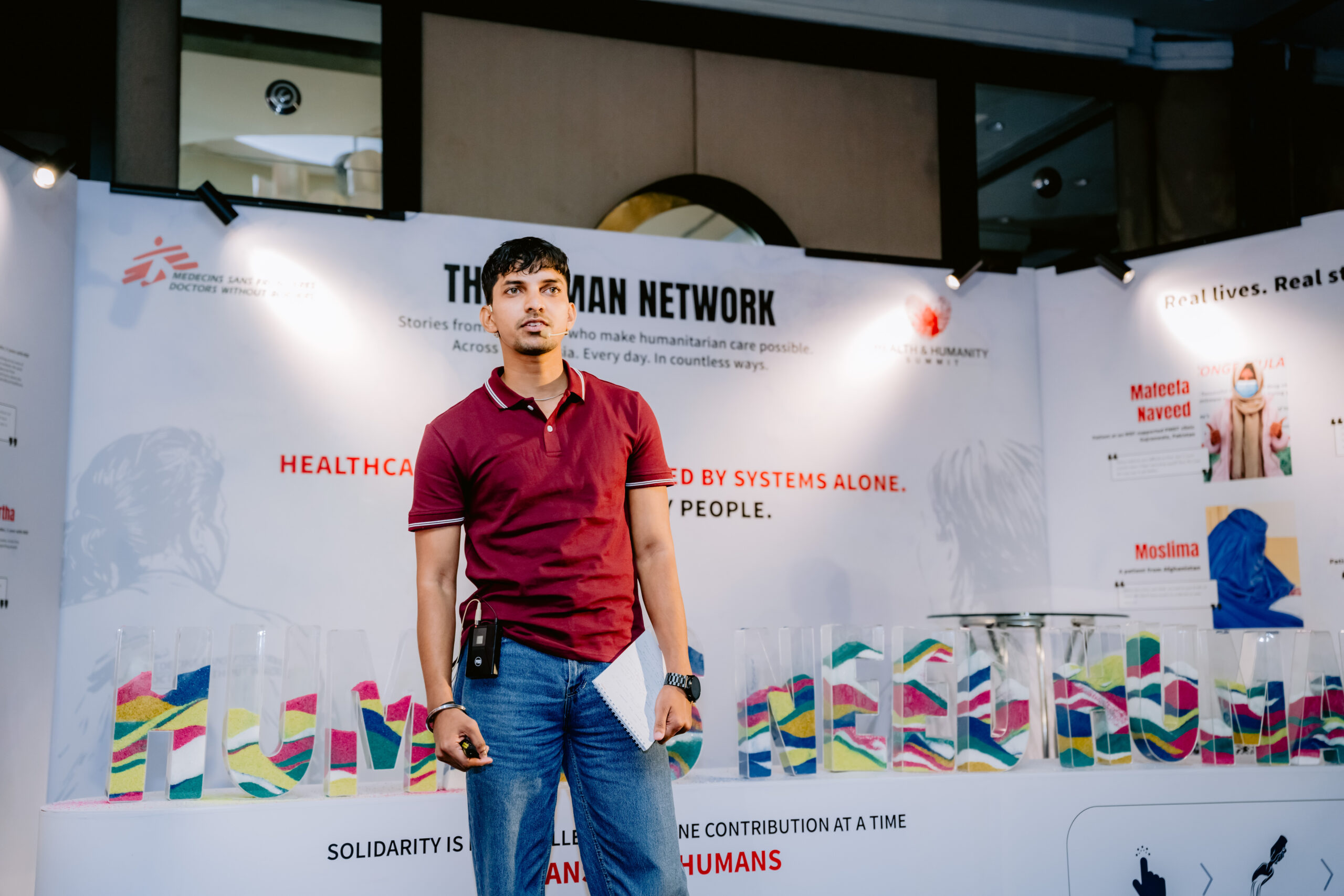
"I am a two-time DRTB survivor, and now I want to help others." When a healthy, confident young man took the stage at MSF South Asia's Health and Humanity Summit 2026, the audience had no way of knowing he was once…
News & Stories
|
August 19, 2026
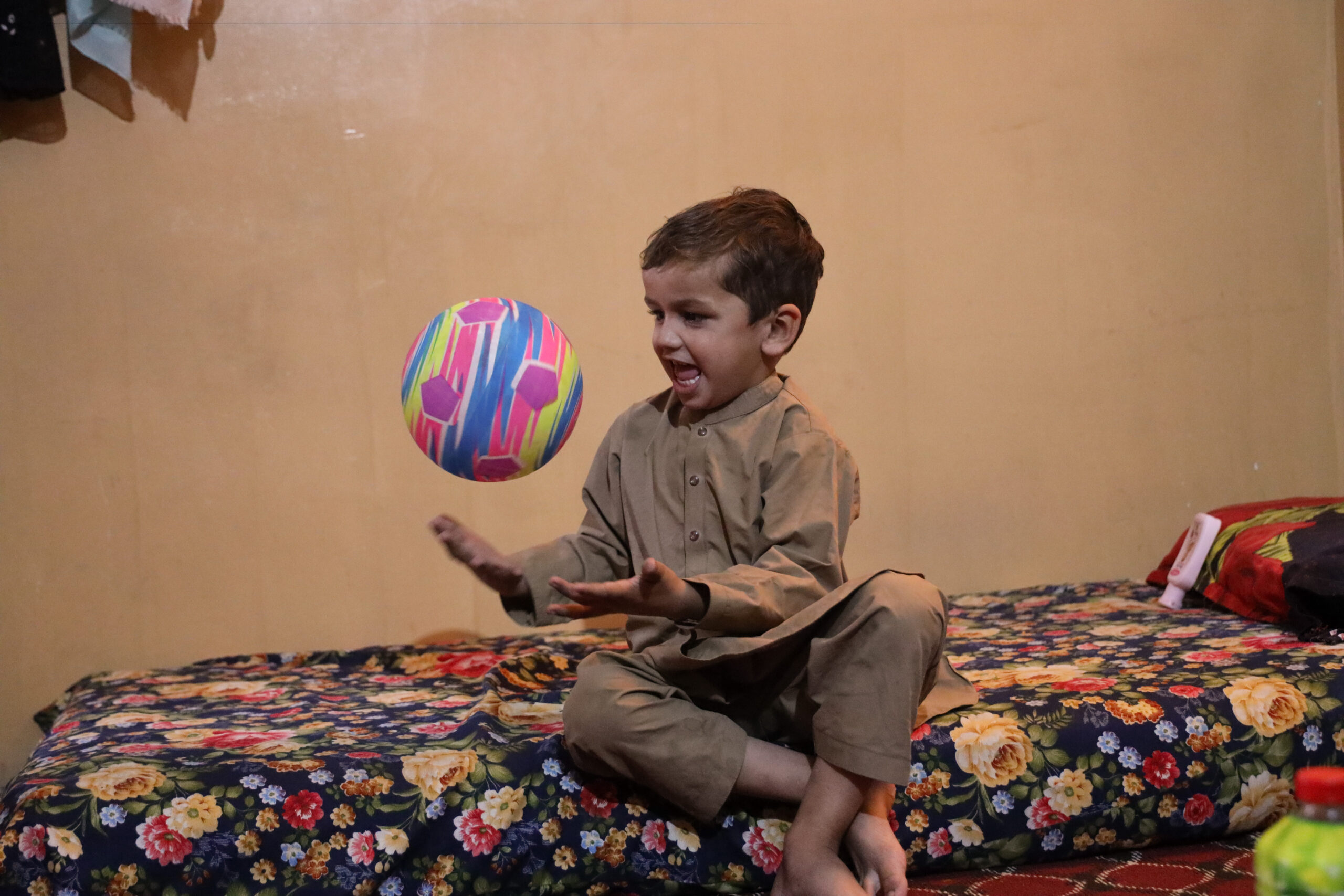
On World Photography Day, we are spotlighting moments captured by Médecins Sans Frontières/Doctors Without Borders (MSF) Field Communications teams across South Asia, images that offer a glimpse into the people, places and realities behind MSF’s medical humanitarian work.In humanitarian contexts,…
News & Stories
|
July 1, 2026
At the MSF Advanced HIV Care Centre at Guru Gobind Singh Hospital in Patna, Bihar, doctors work every day to support patients facing some of the most severe complications linked to advanced HIV disease. For many patients arriving at the…
News & Stories
|
May 16, 2026
Fareed’s Journey: A Story of Courage and CompassionInspired by his father’s quiet acts of compassion as an ambulance driver, Fareed has dedicated his life to serving people most in need. Since joining Doctors Without Borders/Médecins Sans Frontières (MSF) in 2011,…
News & Stories
|
April 28, 2026
Sameer* is a 16-year-old boy from Bihar. At 11, Sameer had already lost both parents to HIV and was losing faith that medicine could save him until a team of doctors and counsellors at MSF showed him that survival was…
News & Stories
|
April 27, 2026
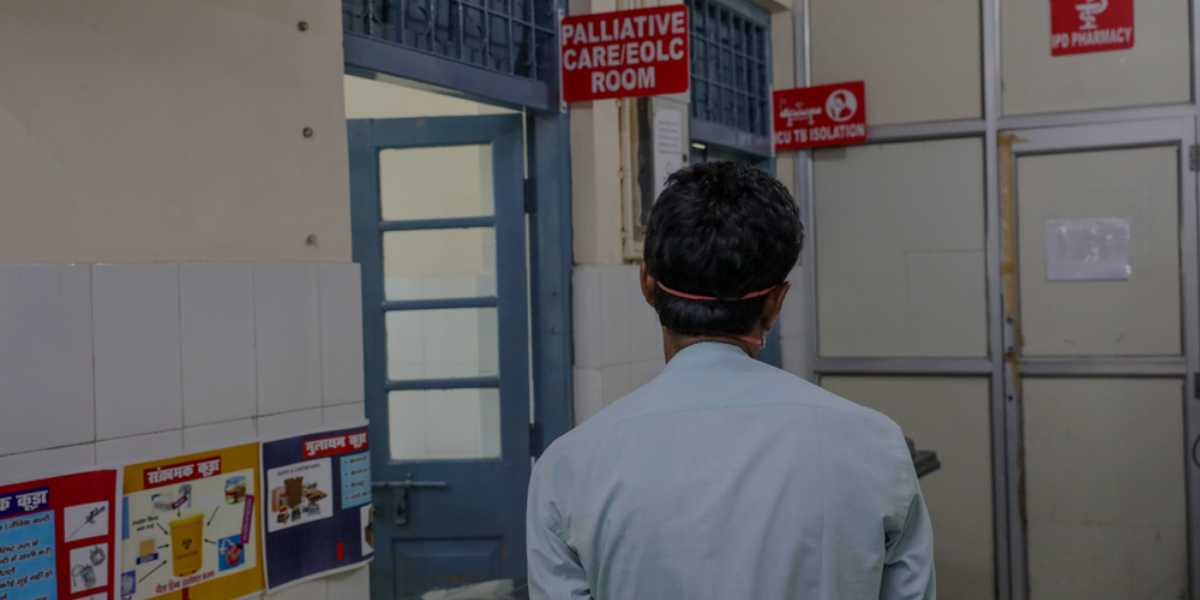
Warning: This article contains references to suicidal thoughts. If you or someone you know is experiencing similar thoughts, please reach out for support. Crisis resources are listed at the end of this article. My name is Anjali*. I am a…
News & Stories
|
April 25, 2026
This poem was written by Kaushalya Kumari, a mental health counselor at the Doctors Without Borders/Médecins Sans Frontières (MSF) Advanced HIV Project in Patna, Bihar reflecting her experience with an 11-year-old patient. The young girl, who struggled with vision problems…
News & Stories
|
April 24, 2026
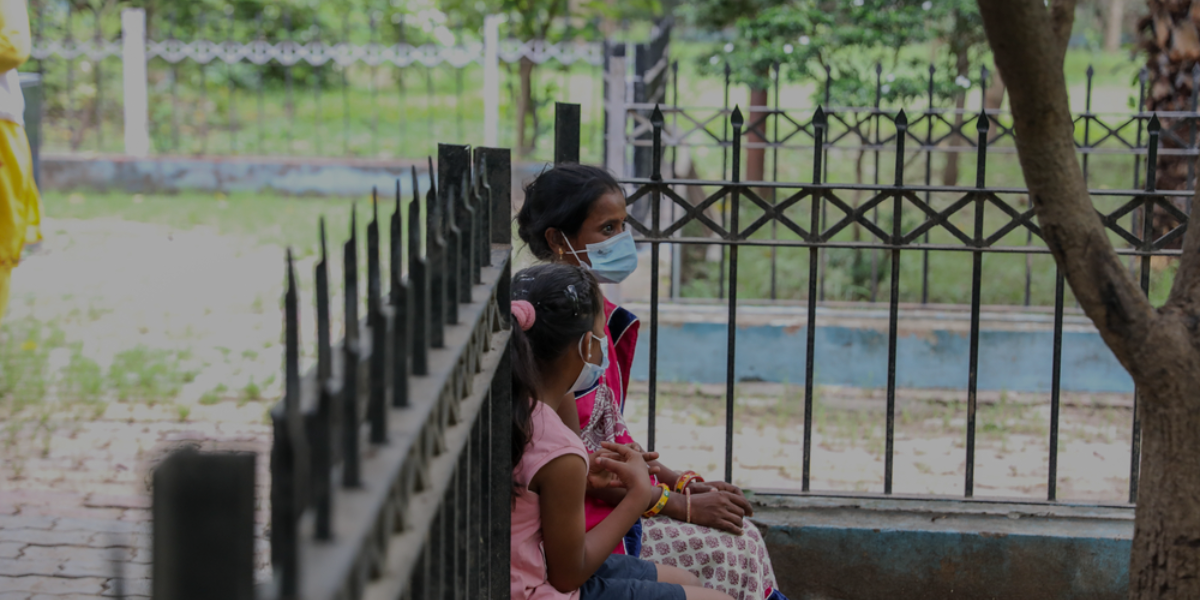
23 April 2026More than seven weeks after the war in Iran began, Médecins Sans Frontières (MSF/Doctors Without Borders) teams are expanding activities in Tehran and continuing to respond to growing medical needs in other areas where the organisation works. While…
News & Stories
|
April 24, 2026
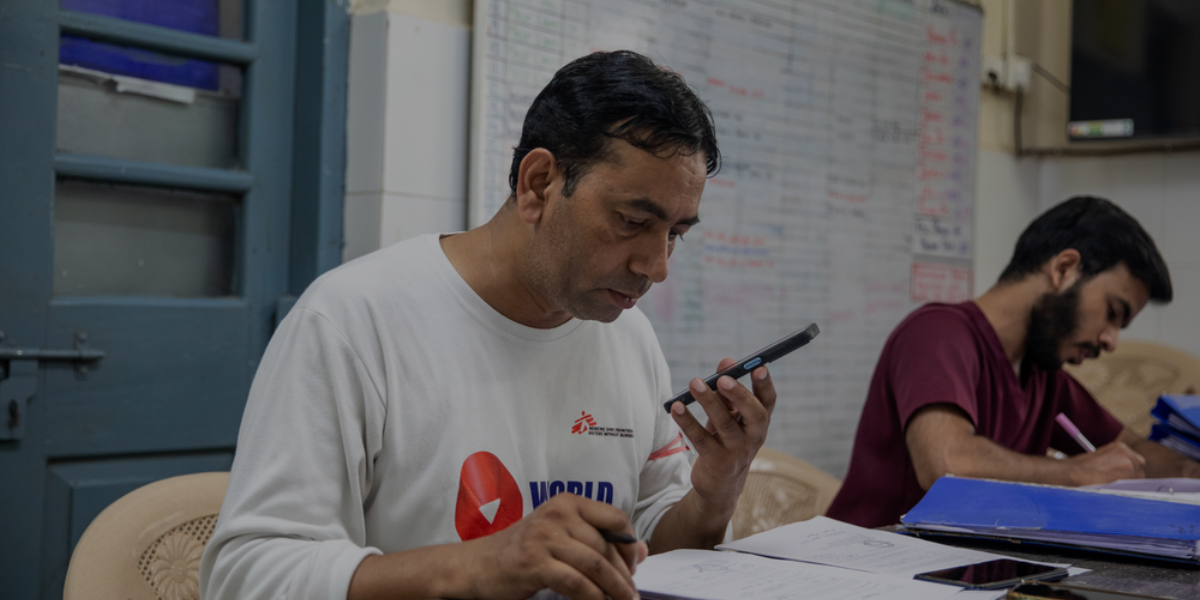
My name is Nisha*, and I am 31 years old. I live in a large family with my two daughters and many relatives. Living with HIV has been a difficult journey, but it has also taught me a lot about…
News & Stories
|
April 23, 2026
My father used to say, ‘If you can turn someone’s pain into laughter, if you can transform someone’s tears into happiness, you are doing a great deed.’ This has always stayed with me. That’s why I try to make people…
News & Stories
|
April 22, 2026
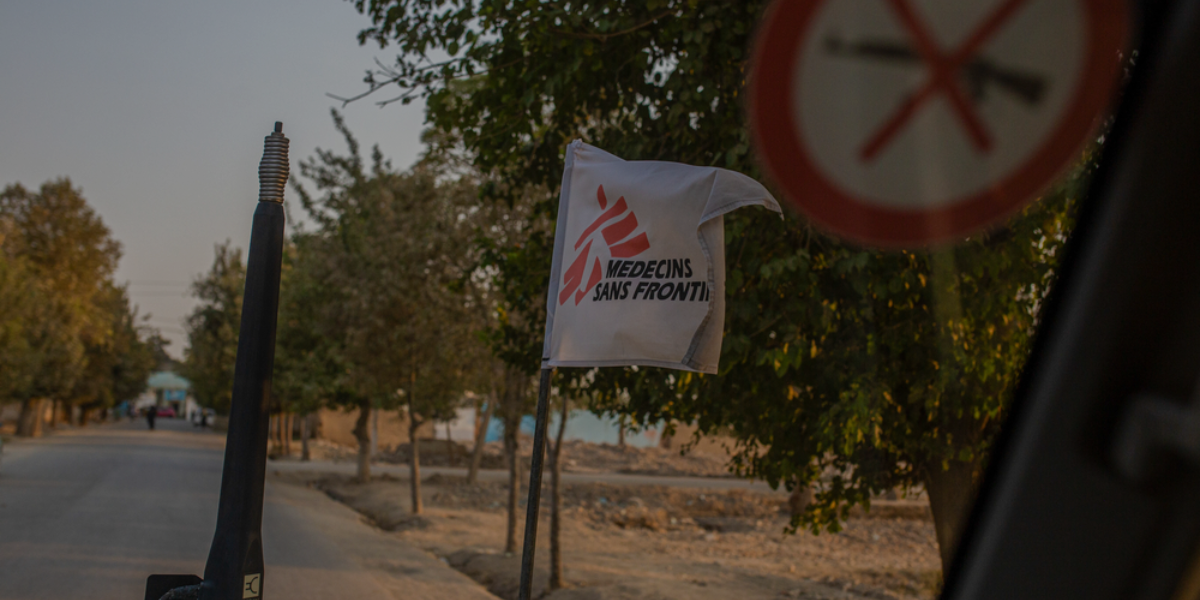
This web update is adapted from an op‑ed by Parthesarathy Rajendran, Executive Director of MSF South Asia, originally published in Observer Research Foundation on 7 April 2026, as part of the World Health Day 2026 series. As conflicts escalate around the world,…
News & Stories
|
February 27, 2026
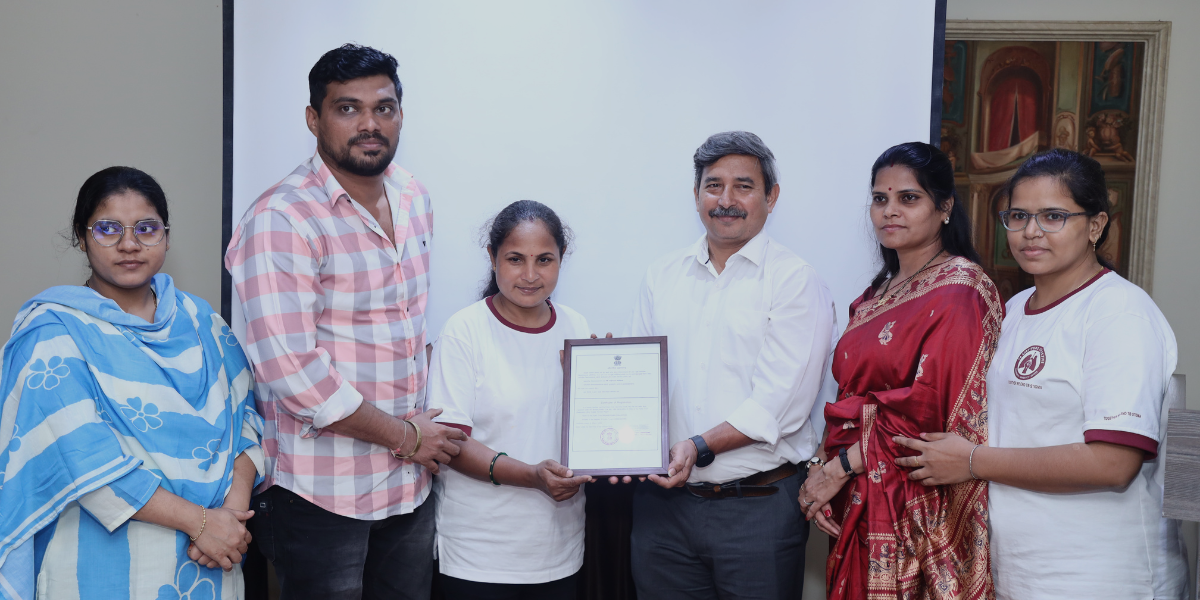
On 24 February 2026, Médecins Sans Frontières (MSF) South Asia convened a roundtable discussion marking the formal launch of the TB Survivors Collective, a survivor-led community-based organization (CBO) dedicated to strengthening community engagement within India’s TB response. Titled “Building Change…
MSF in news
|
January 29, 2026
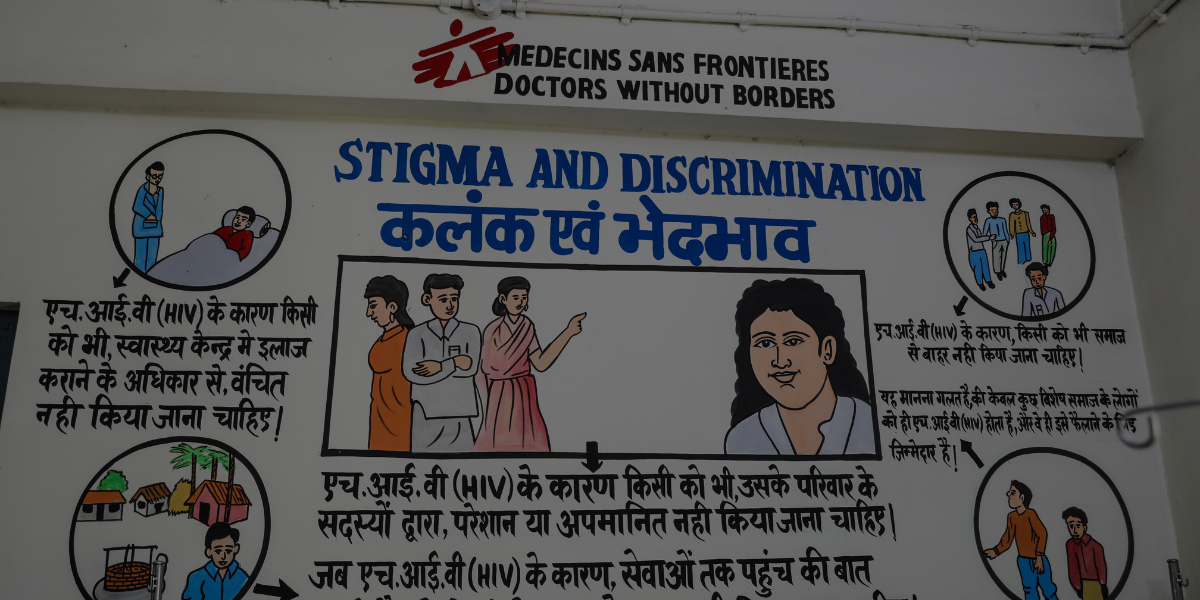
In a candid and insightful discussion with Sarwat Fatima on "Lallantop", Dr Himanshu M, a physician and global health expert leading MSF’s advanced HIV project in Patna, sheds light on critical aspects of HIV care, prevention, and the stigma surrounding the…
News & Stories
|
December 1, 2025
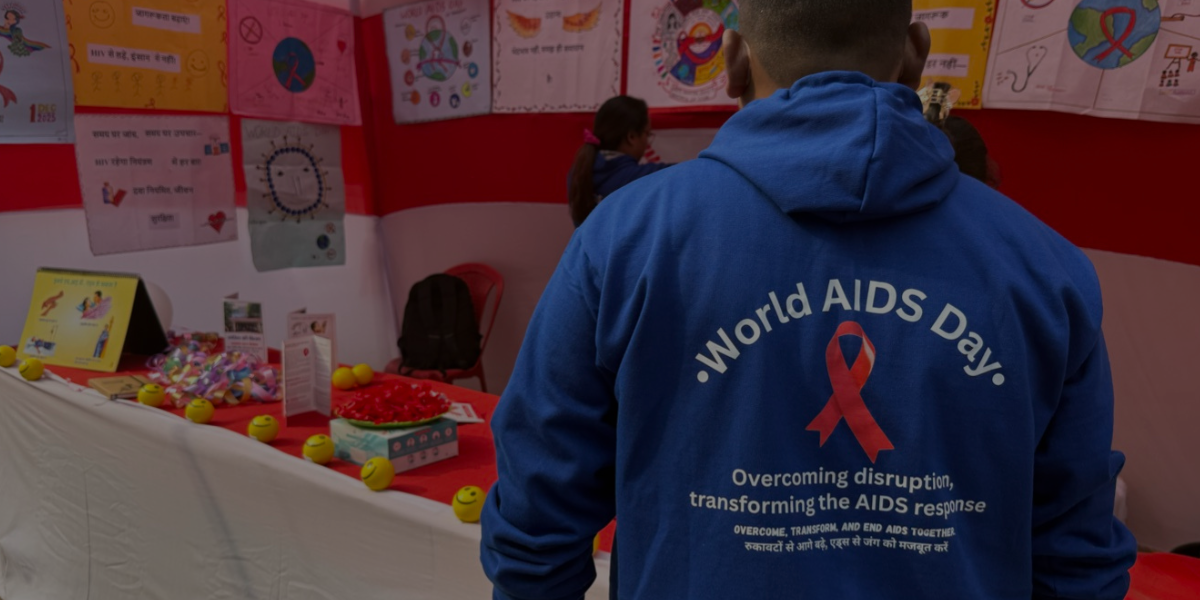
Patna, Bihar – December 1, 2025: This World AIDS Day, Médecins Sans Frontières/Doctors Without Borders (MSF) India, in collaboration with Bihar State AIDS Control Society (BSACS) and Guru Gobind Singh Hospital (GGSH), unveiled a wall mural at Garima Ki Kiran…
News & Stories
|
November 29, 2025
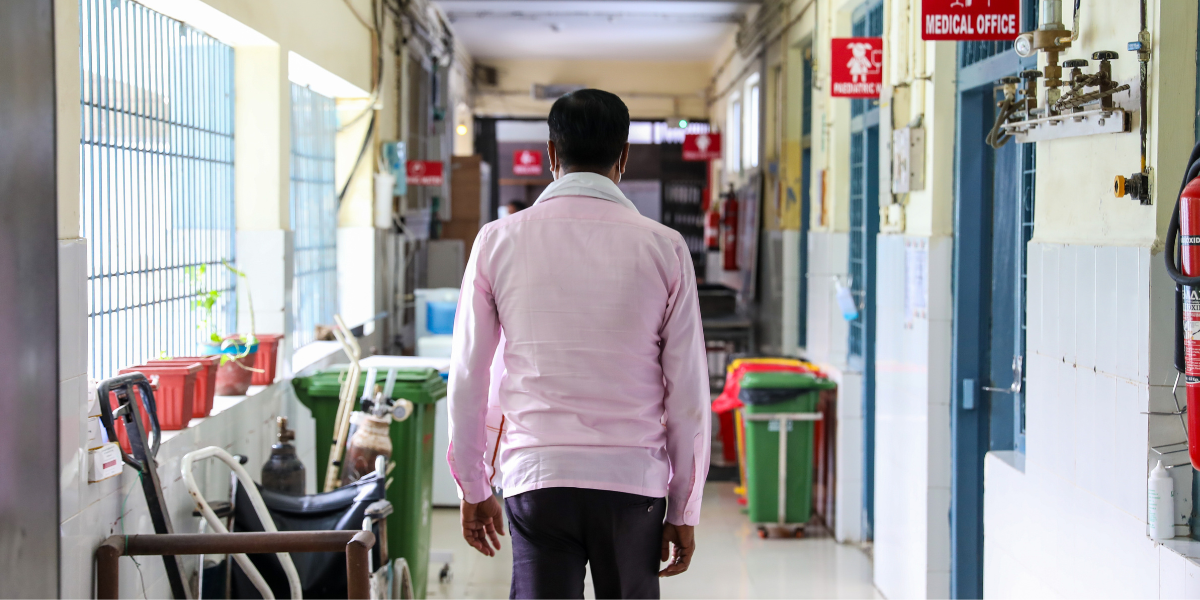
My name is Rakesh*, and my journey with HIV began in early 2004. It started with small signs—loose motions, itching on my skin—but soon, my right leg began to tremble uncontrollably. It felt like the earth beneath me was shaking.…
News & Stories
|
November 29, 2025
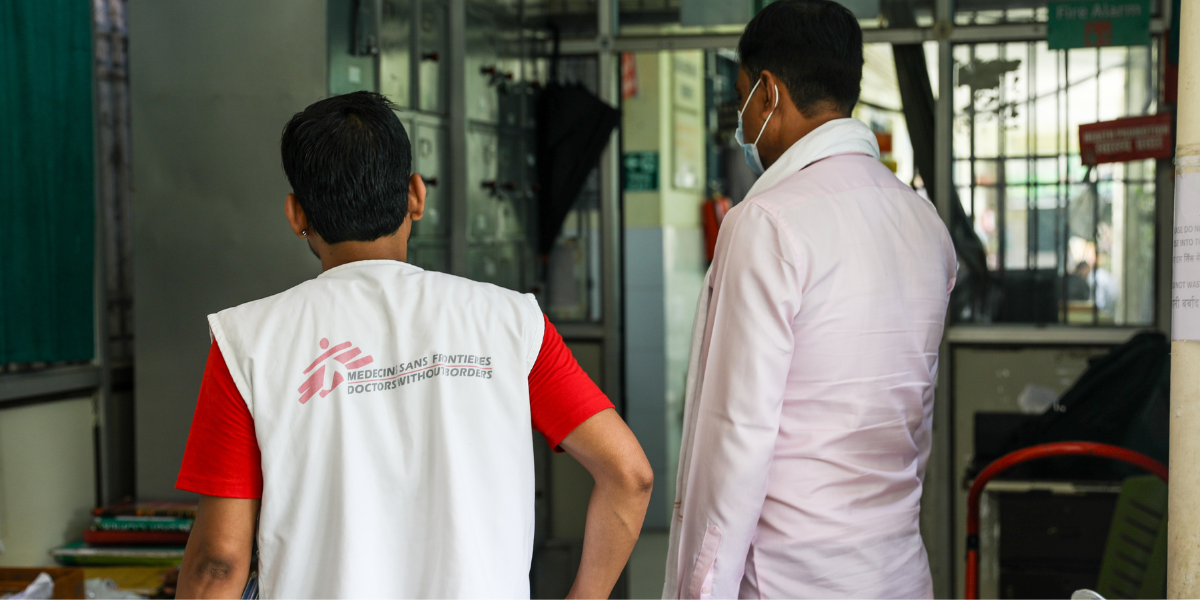
At Doctors Without Borders/Médecins Sans Frontières (MSF), we believe that understanding our patients goes far beyond their medical symptoms. That’s why we introduced the Social Vulnerability Assessment (SVA) in our Advanced HIV project in Patna, Bihar, in April 2023, a…

News & Stories
|
October 29, 2025
Doctors Without Borders India/Médecins Sans Frontières (MSF) has been actively conducting a series of mental health awareness sessions across Srinagar, Kashmir, aiming to promote understanding, break stigma, and provide practical tools for mental well-being.Mental health awarness session at Government Women's…

News & Stories
|
October 28, 2025
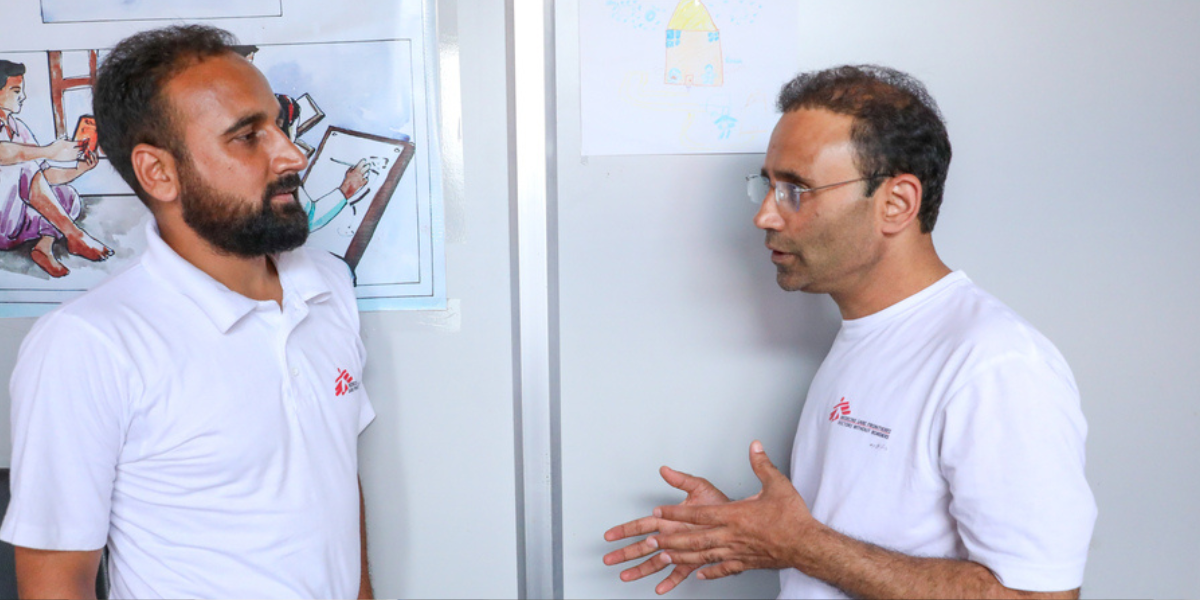
We understand that survival is about more than just treating physical injuries. For people who have endured the hardships of humanitarian crises, the psychological wounds often remain long after the visible scars have healed.Since 2001, MSF has been providing free,…
News & Stories
|
October 8, 2025
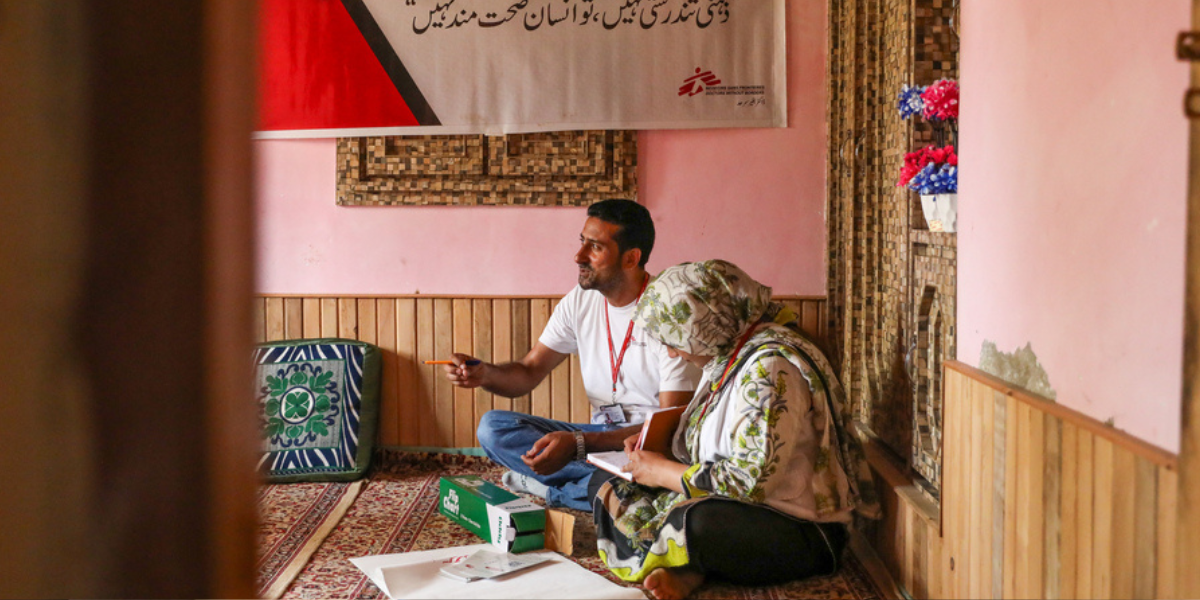
The first rays of dawn break over the mountains as Naseer Mir Ahmad begin his morning. A brisk two-kilometer walk through his neighborhood, the crisp air filling his lungs as he mentally prepares for the day ahead. For Naseer, a…
News & Stories
|
October 8, 2025
The morning sun rises over the green mountains of Kashmir as Taheem Jafar prepares for another day as a community mental health worker with Doctors Without Borders India/Médecins Sans Frontières (MSF). It's 9:00 AM, and she's already gathering her materials—information…

July 20, 2026
June 24, 2026
June 24, 2026