

What we do
MSF focuses on emergency, paediatric, and maternal healthcare in Afghanistan, which has one of the highest maternal mortality rates in the world.
We work in one hospital in Helmand province in collaboration with the Ministry of Public Health. We also run a maternity hospital in rural Khost province, a drug-resistant tuberculosis programme in Kandahar, and a trauma centre in Kunduz. We treat malnourished children, who have been displaced, in Herat province.
Major attacks on MSF hospitals have occurred in recent years; in October 2015, US airstrikes destroyed our trauma centre in Kunduz, killing 42 people. An armed group attacked our maternity wing at Dasht-e-Barchi hospital in Kabul in May 2020, with 16 mothers and an MSF midwife among those killed. In the wake of the attack, we made the difficult decision to withdraw from the hospital in Kabul, leaving women in the area without critically-needed emergency obstetric care.
In August 2021, the Islamic Emirate of Afghanistan (also known as the Taliban) entered the city of Kabul as the government collapsed. MSF teams have stayed in place and continue to provide care.
- Afghanistan
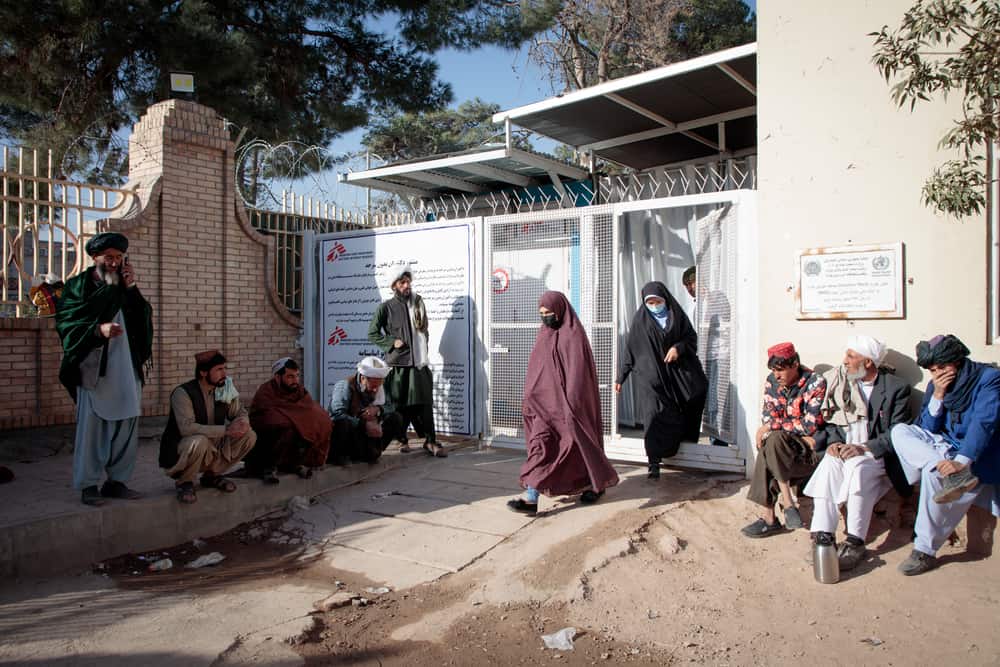
People struggle to access medical care in Afghanistan, where – even as the government has collapsed and uncertainty has set in – we remain to address people’s needs.
What are we doing in Afghanistan?

Maternal healthcare
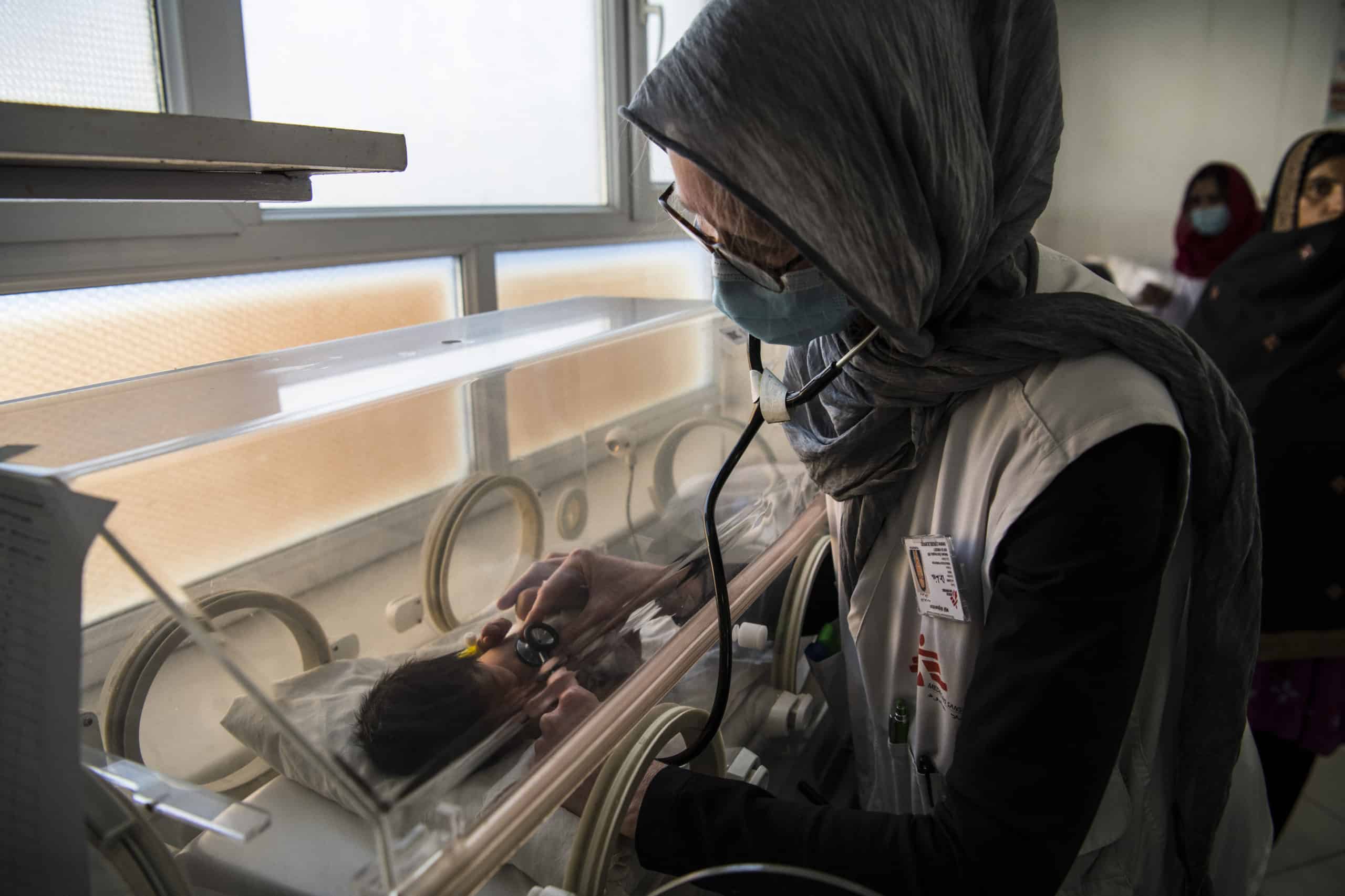
MSF provides free, high‑quality maternal and neonatal care in Helmand and Khost provinces, where maternal and newborn mortality remain among the highest in the world. In 2025, MSF supported maternity and neonatal services at Boost Provincial Hospital in Helmand and at Khost Maternity Hospital, providing Comprehensive Emergency Obstetric and Neonatal Care, including the management of complicated deliveries and neonatal emergencies. MSF teams assisted more than 31,000 deliveries in Helmand and over 21,000 deliveries in Khost during the year. Training and mentoring of medical staff remain integral to these projects, with a strong focus on building the skills of national staff. Midwives form the backbone of maternity services, and the majority are Afghan women, many of whom have developed extensive experience in managing obstetric complications since the opening of Khost Maternity Hospital in 2012.
Tuberculosis treatment
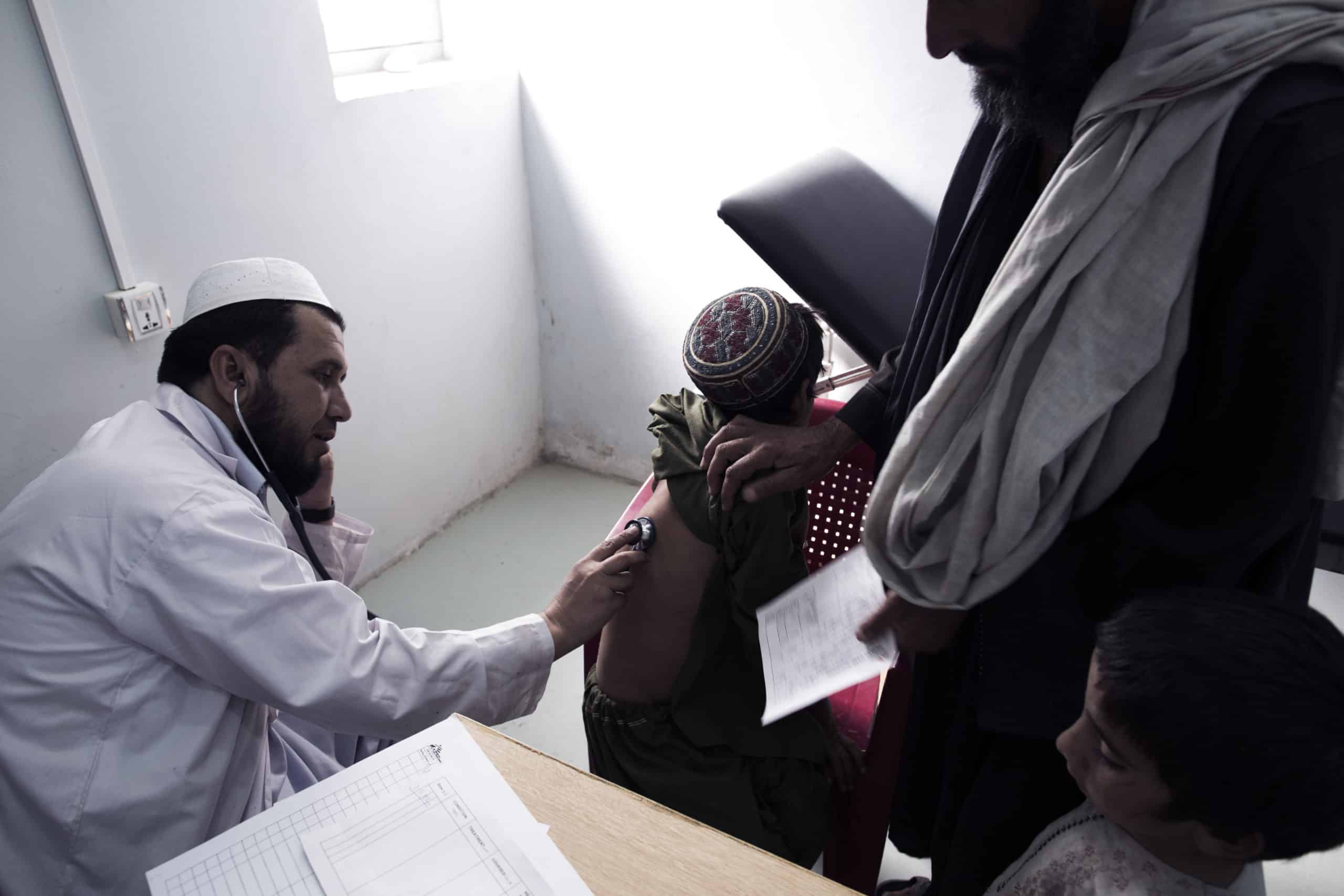
MSF supports the diagnosis and treatment of drug‑resistant tuberculosis (DR‑TB) in Kandahar province, where it operates a dedicated TB hospital with laboratory services, outpatient care, and inpatient capacity for patients with comorbidities or treatment‑related complications. In 2025, MSF continued implementing shorter, all‑oral treatment regimens for multidrug‑resistant tuberculosis, reducing treatment duration, pill burden, and side effects, and improving treatment adherence and quality of life. MSF also supported drug‑sensitive TB activities at Mirwais Regional Hospital and other health facilities in Kandahar, providing training, supplies, and technical support to strengthen TB detection and care, including for drug‑sensitive cases.
Trauma care
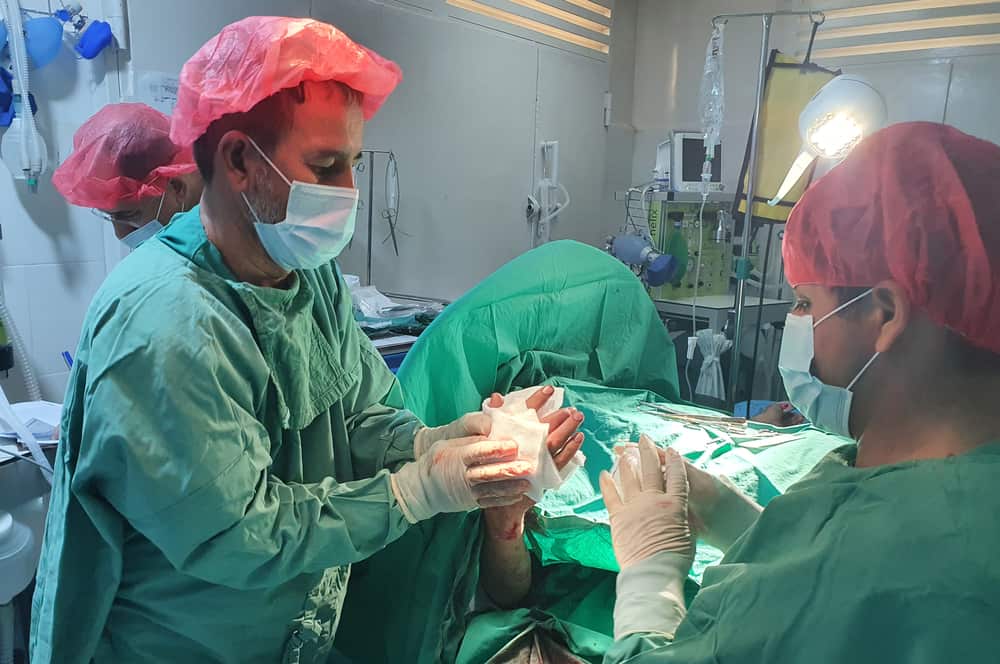
The MSF Trauma Centre in Kunduz continued to provide critical trauma and emergency care in northern Afghanistan in 2025. Over the year, teams triaged 28,285 patients, the majority of whom required immediate medical attention. MSF carried out 6,592 surgical interventions and admitted 2,742 patients for inpatient care, including 480 admissions to the intensive care unit. The centre continued to treat patients with severe injuries resulting from road traffic accidents, falls, gunshot wounds, and unexploded ordnance. MSF also maintained its antimicrobial stewardship and microbiological surveillance activities to address the growing burden of multidrug‑resistant infections and support the rational use of antibiotics.
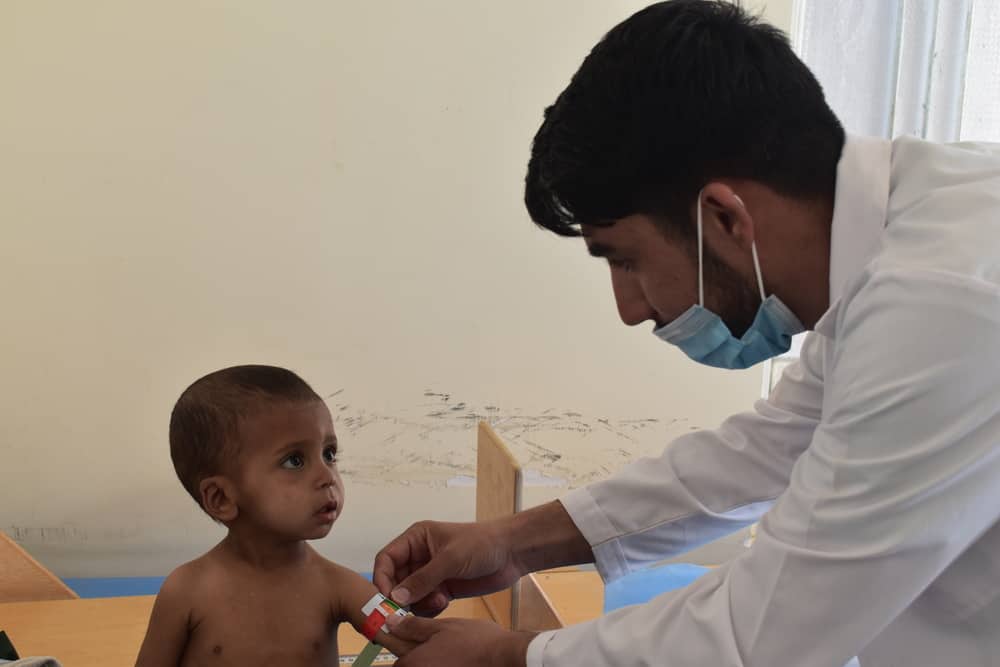
Treating malnutrition
In Herat and Helmand provinces, MSF continued to treat children with severe acute malnutrition through inpatient therapeutic feeding centres. In Herat, many children admitted to the centre at the regional hospital had travelled long distances to access care. In Helmand, the inpatient therapeutic feeding centre at Boost Provincial Hospital frequently operated above capacity, reflecting the high burden of malnutrition and limited access to quality primary healthcare in surrounding districts.

In 2025
Médecins Sans Frontières (MSF) runs a range of projects in Afghanistan, responding to the immense medical needs caused by decades of conflict and political upheaval, particularly among women and children.
In 2025, Médecins Sans Frontières (MSF) continued to respond to extensive humanitarian and medical needs across Afghanistan, where prolonged economic crisis, limited access to healthcare, and recurrent emergencies continued to affect millions of people. Working in partnership with the Ministry of Public Health (MoPH), MSF focused on providing lifesaving care, particularly emergency services, maternal and child healthcare, trauma care, and treatment for malnutrition and infectious diseases.
Throughout the year, MSF recorded very high patient numbers across its facilities. In 2025, MSF conducted more than 417,000 emergency room consultations and over 115,000 inpatient admissions nationwide. Many facilities continued to operate beyond capacity, with bed occupancy rates frequently exceeding safe limits, reflecting both high medical needs and persistent gaps in the public health system.
MSF operated projects in eight provinces, with more than 3,600 staff supporting activities. In addition to routine medical care, MSF responded to sudden emergencies, including a magnitude 6 earthquake that struck eastern Afghanistan in August 2025. MSF provided primary healthcare services to displaced populations in camps in Kunar province and donated medical supplies to hospitals treating the injured, before handing over activities to local actors later in the year.
Bamyan
Since December 2022, MSF has been running a community-based healthcare programme in Bamyan province, supporting eight health sub-centres in remote districts where access to care remains limited. In 2025, MSF provided outpatient consultations, antenatal and postnatal care, gynaecological services, routine vaccinations, and support for normal deliveries. MSF also strengthened referral pathways for emergency obstetric care and continued supporting the maternity waiting area at Bamyan Provincial Hospital to improve access for women with high-risk pregnancies.
Balkh
At Abu Ali Sina Regional and Teaching Hospital in Balkh, MSF continued its support to paediatric and neonatal services in partnership with the MoPH. In 2025, teams provided care in the paediatric emergency room, neonatal unit, paediatric intensive care unit, general paediatric ward, and a measles isolation unit. High patient volumes, particularly related to respiratory infections, sepsis, malnutrition, and measles, placed sustained pressure on services, with bed occupancy rates frequently exceeding capacity.
Helmand
MSF’s largest project in Afghanistan remains Boost Provincial Hospital in Lashkar Gah, where MSF has worked since 2009. In 2025, the hospital continued to function as a major referral centre for southern Afghanistan, providing emergency care, paediatric and neonatal services, maternity care, surgery, and inpatient treatment. The hospital recorded over 207,000 emergency consultations and assisted nearly 32,000 deliveries. Despite ongoing expansion, key departments continued to operate at or beyond capacity due to high demand and limited access to primary healthcare in surrounding districts.

Herat
In Herat province, MSF continued supporting paediatric services at Herat Regional Hospital, including triage, the emergency room, inpatient and outpatient therapeutic feeding centres, intensive and intermediate care units, and a measles isolation ward. In 2025, MSF treated large numbers of children suffering from respiratory infections, malnutrition, and measles. In response to a measles surge, MSF rapidly expanded isolation capacity and supported vaccination activities to strengthen immunity coverage.
Kandahar
Since 2016, MSF has provided care for patients with drug-resistant tuberculosis (DR‑TB) in Kandahar province. MSF operates a dedicated DR‑TB hospital and supports drug-sensitive TB activities in collaboration with health authorities. In 2025, MSF also continued its malnutrition programme, operating an inpatient and ambulatory therapeutic feeding centre for children with severe acute malnutrition. Shorter oral treatment regimens for multidrug-resistant TB remained a key component of care, helping to reduce treatment burden and improve outcomes.
Khost
At Khost Maternity Hospital, MSF continued providing Comprehensive Emergency Obstetric and Neonatal Care in a province with one of the highest maternal mortality rates in the country. In 2025, MSF assisted more than 21,000 deliveries and treated a high number of obstetric complications. MSF also supported neonatal care, Kangaroo Mother Care, acute malnutrition screening for pregnant and lactating women, and routine vaccinations. The microbiology laboratory established in 2024 continued to strengthen antimicrobial resistance surveillance and guide appropriate treatment.
Kunduz
The Kunduz Trauma Centre remained a critical facility for trauma care in northern Afghanistan. In 2025, MSF teams provided emergency and surgical care to patients injured in road traffic accidents, falls, gunshot wounds, and other trauma. MSF also continued its antimicrobial stewardship and microbiological surveillance activities to address the growing challenge of drug-resistant infections.
Kunar
Following the August 2025 earthquake in eastern Afghanistan, MSF provided an emergency response in Kunar province. Teams delivered primary healthcare, vaccinations, antenatal care, mental health support, and water and sanitation facilities in displacement camps. Activities were gradually handed over to local partners and health authorities by the end of the year.
OUR ACTIVITIES IN 2025
-
Related:
- Afghanistan
- MSF in Afghanistan

