

Addis Ababa – 15 December 2025
Médecins Sans Frontières (MSF) has completed the first full round of R21 malaria vaccine in Ethiopia, and the first ever completed in a refugee camp globally. In Kule refugee camp, in Gambella region, home to more than 55,000 South Sudanese refugees, 2,100 children under five received their fourth and final dose in November 2025. This marked the successful vaccination of the first cohort with the WHO-recommended vaccine for areas of moderate-to-high malaria transmission in collaboration with the Refugee and Returnee Service, Ministry of Health and UNHCR.
In 2024, malaria transmission in the camp reached the highest level in five years. In response, MSF introduced the R21 vaccine in August as part of an expanded prevention package. Alongside vaccination, teams implemented Intermittent Preventive Treatment in Infants and Children, a medication that helps prevent the infection of malaria for children, conducted indoor residual spraying across all 10,079 households in Kule refugee camp and distributed insecticide-treated nets to families.
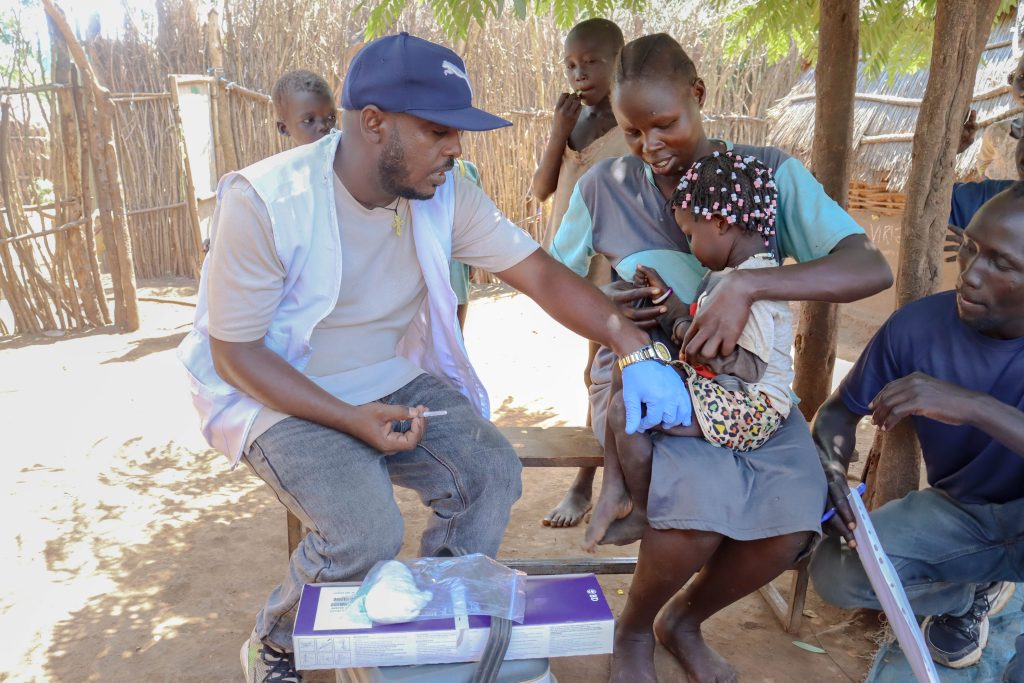
In the period after the first vaccination campaign and other preventive measures, Kule hospital saw close to 50 percent fewer malaria-related deaths in 2025 compared to 2024. Where multiple factors could have had an impact on this significant decrease, it is highly likely the efforts carried out by the medical teams in the camp played a key role in this reduction
Ethiopia’s Ministry of Health endorsed malaria vaccination in selected high-transmission woredas in South Omo zone in September 2025, targeting 91,000 children, according to WHO. If efforts like this continue from the Ministry of Health and different actors, this can mark a turning point in the country’s fight against malaria.
MSF will administer the initial three doses to a new group of approximately 3,500 children who have reached vaccination age. “The continued rollout aims to sustain high vaccination coverage among children between five months and five years, despite continued high transmission and reduced resources”, says Dr Mulanda.
Although malaria-related mortality has decreased in Kule camp, MSF teams are seeing a growing number of malaria patients from surrounding camps. This can be due to multiple factors, including a reduction in treatment and prevention activities from other health partners due to funding shortages, as well as changes in malaria seasonality. As of November 2025, malaria admissions to MSF health centres have increased by 50 per cent compared to the same period in 2024 and by 70 per cent compared to 2023.
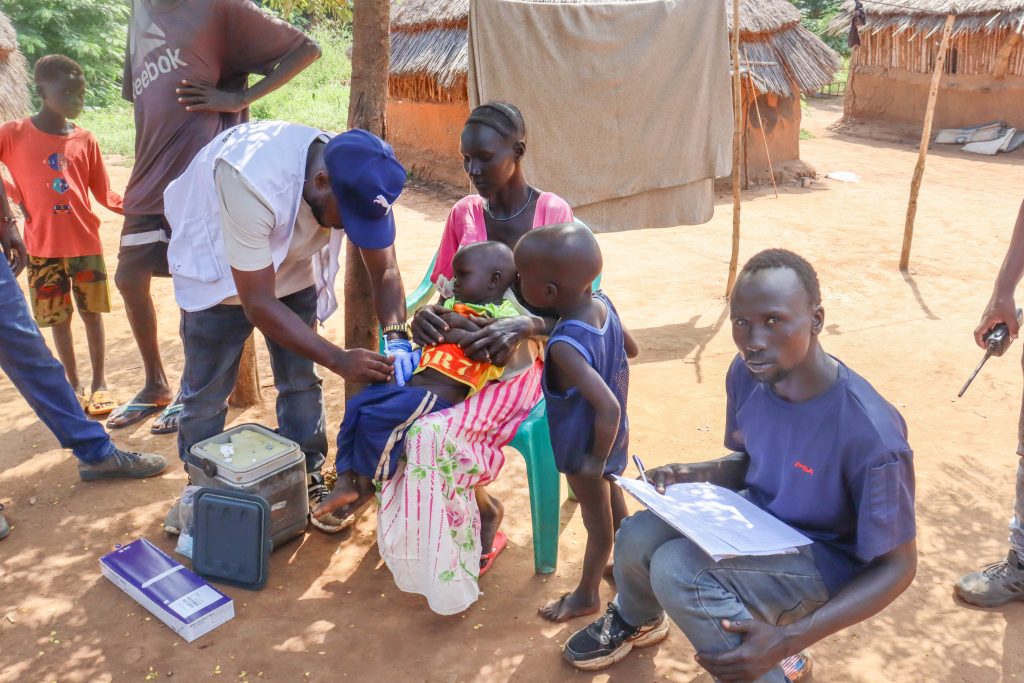
Between January and November 2025, malaria accounted for 37 per cent of all outpatient consultations at Kule hospital.
MSF continues to support comprehensive malaria prevention and treatment across several regions of Ethiopia. This includes vaccination, preventive tools, rapid diagnostics, effective treatment, and strong community engagement.
-
Related:
- Ethiopia
- Malaria
- MSF in Ethiopia