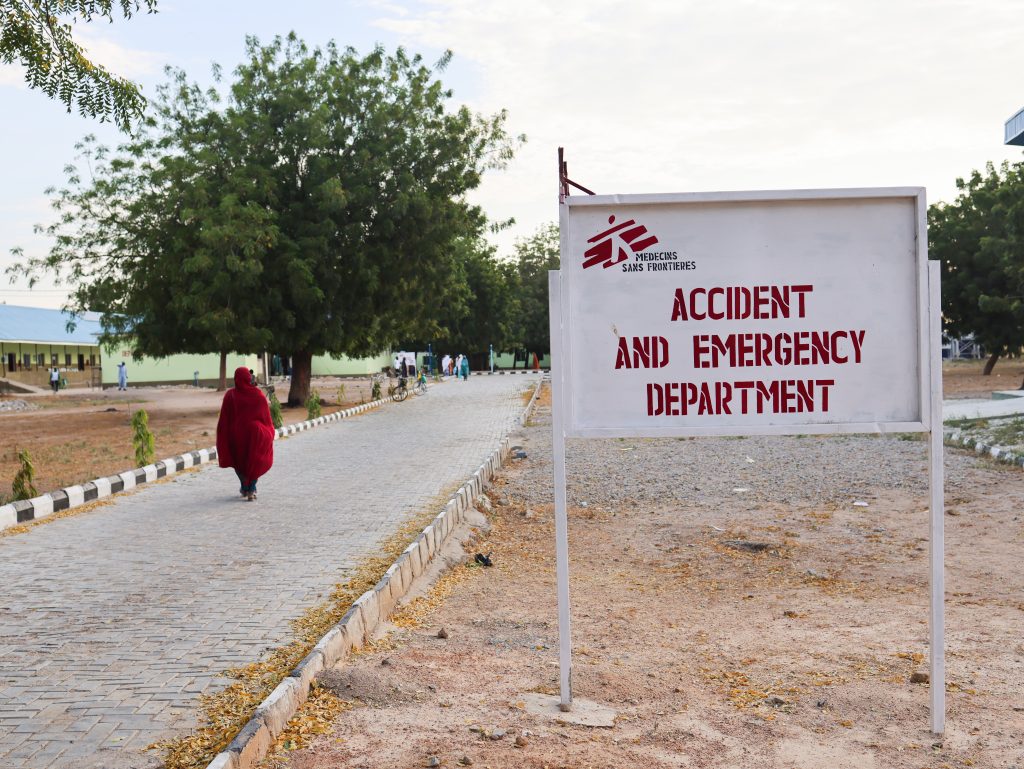
Gwoza – Médecins Sans Frontières (MSF) has commenced emergency medical activities at Gwoza General Hospital in Borno State, Northeast Nigeria. The project, launched in August 2025 to support the Ministry of Health, aims to provide life-saving care for people deeply affected by years of extreme violence and limited access to healthcare.
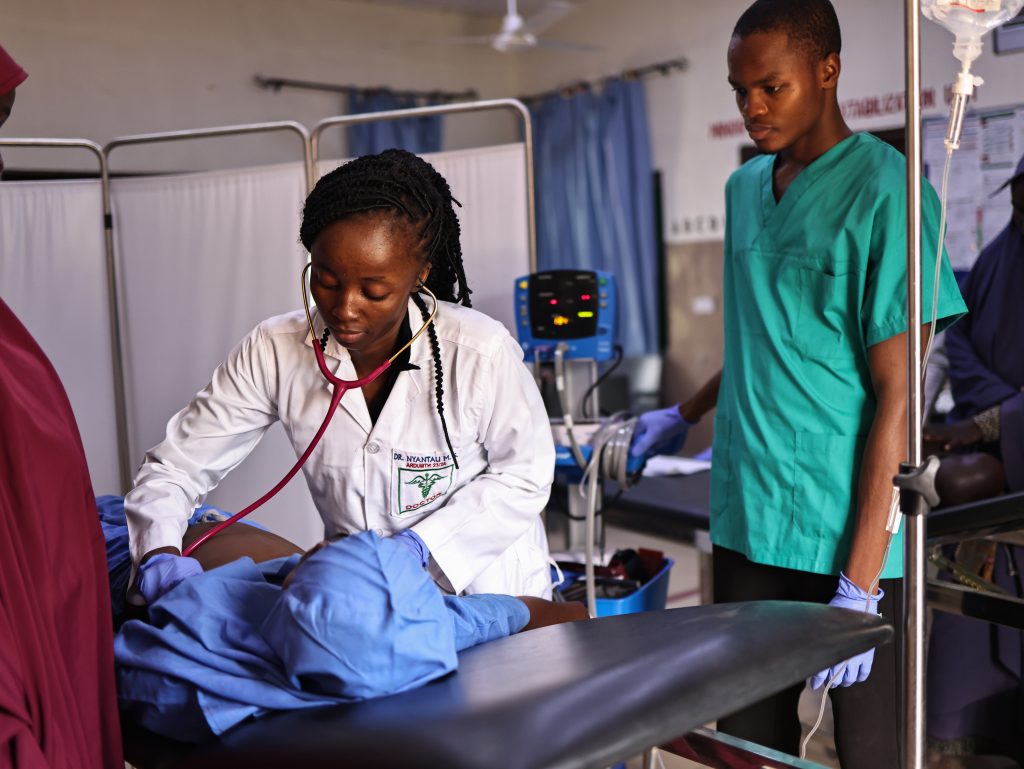
Operating in a newly rehabilitated facility in the Gwoza General Hospital, the MSF-supported emergency department includes a resuscitation room, advanced stabilisation room, a wound dressing room, and separate observation rooms for men and women
These facilities enable MSF teams to treat acute trauma and medical emergencies across all age groups, providing stabilisation before transferring patients to the hospital’s inpatient departments. The teams are also assisting with referrals for patients requiring specialised life-saving care to Maiduguri, the state capital.
Between 8 August and 30 November, MSF admitted 1606 ER patients. During the same period, MSF teams also referred 30 patients in critical condition to the University of Maiduguri Teaching Hospital for higher-level care.
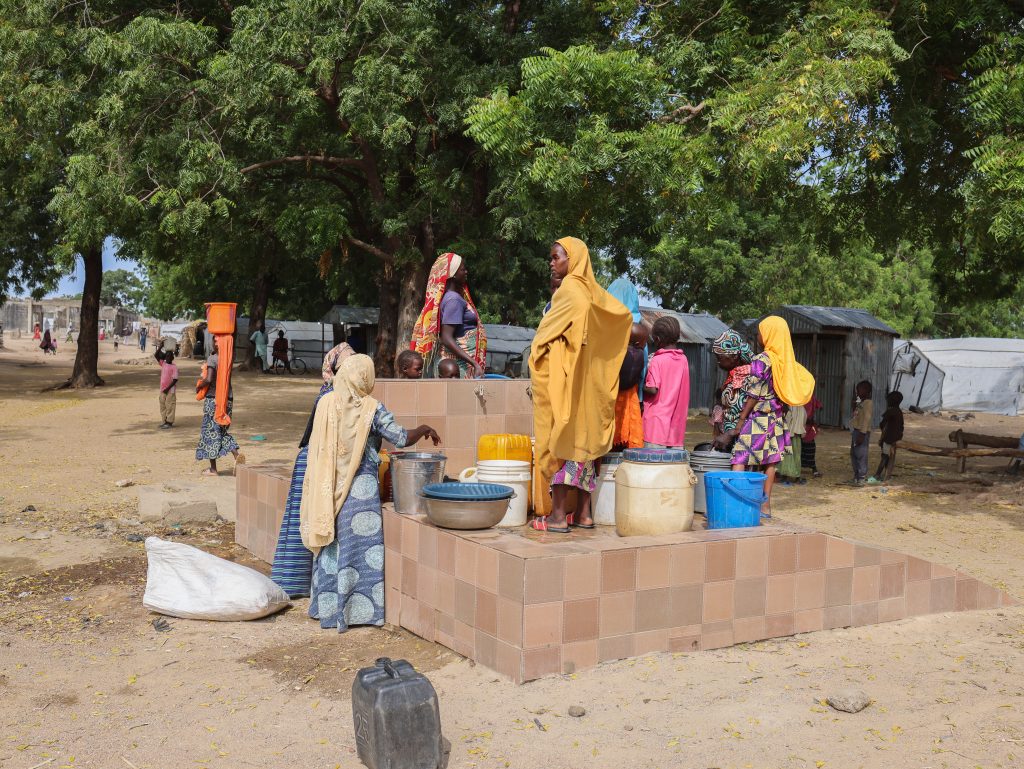
Gwoza is home to thousands of internally displaced persons who face severe gaps in access to essential services. The needs for emergency services in particular are immense. By running the hospital’s emergency department together with Ministry of Health staff, we also aim to strengthen Gwoza General Hospital's capacity to deliver care to both the displaced communities and the communities hosting them.
Dominic Nzioka Mwonga
MSF Project Coordinator in Gwoza
People in Gwoza, located in the far southeast of Borno State near the Cameroonian border, have been heavily affected by years of armed conflict, repeated displacements, and limited access to essential services. This includes large numbers of internally displaced people living in and around the town, many of whom have fled recurrent violence in outlying areas, including armed attacks, improvised explosive device incidents, and clashes between armed groups.
In this context of chronic insecurity and limited functioning health facilities, people often arrive at the emergency room with trauma injuries, complications from prolonged medical conditions, and other life-threatening illnesses. MSF’s support to emergency medical services in Gwoza aims to help ensure timely, lifesaving care for communities that continue to face significant humanitarian and health needs.
“I was not conscious when I was brought here,” says Hajara Musa, a mother of twins who was treated for heart failure
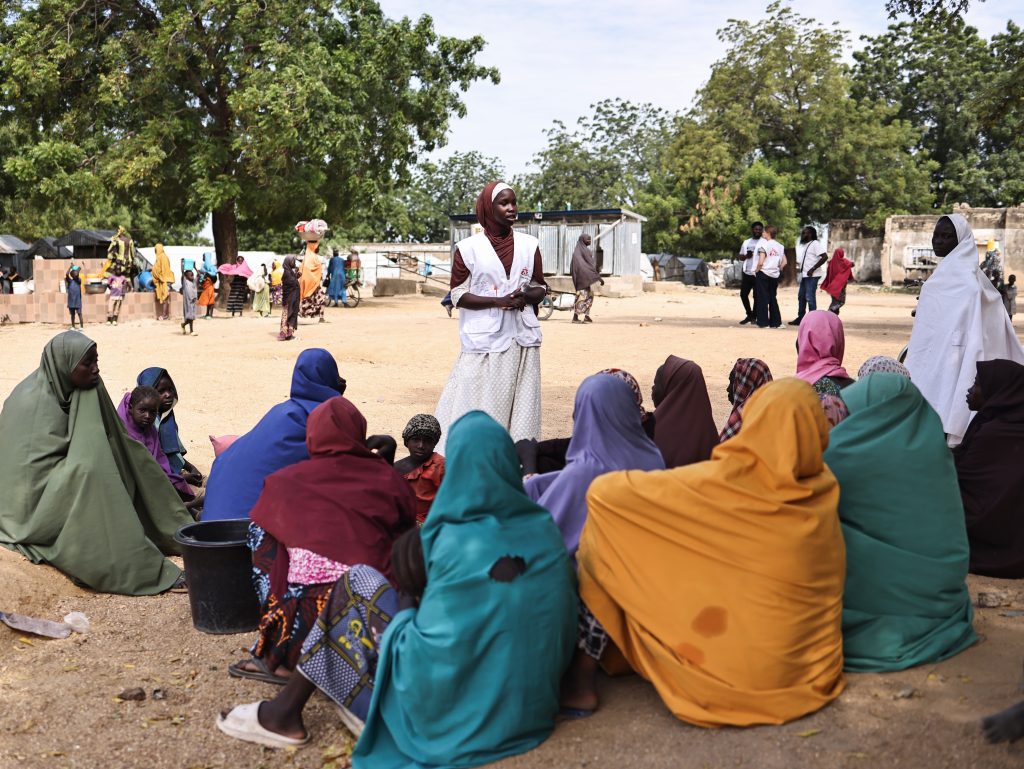
In addition to providing emergency care, MSF conducts health promotion activities and offers clinical training to the Ministry of Health staff. However, there are still overwhelming needs that go beyond medical care. Many residents, both in private homes and in displaced persons’ camps, urgently require access to clean water, sufficient food, and proper sanitation facilities such as latrines.
MSF has worked in Borno State since 2014 and remains committed to supporting the Ministry of Health to ensure continuity and sustainability of services. In addition to Gwoza, the organisation operates in the capital of Maiduguri, providing essential and specialised care for malnutrition, paediatrics, and maternal health.
Like many websites, MSF uses cookies to enhance your user experience. By continuing to navigate this site you are giving consent to the issue of these cookies. No, give me more info
This website uses cookies to improve your experience while you navigate through the website. Out of these cookies, the cookies that are categorized as necessary are stored on your browser as they are essential for the working of basic functionalities of the website. We also use third-party cookies that help us analyze and understand how you use this website. These cookies will be stored in your browser only with your consent. You also have the option to opt-out of these cookies. But opting out of some of these cookies may have an effect on your browsing experience.
Necessary cookies are absolutely essential for the website to function properly. This category only includes cookies that ensures basic functionalities and security features of the website. These cookies do not store any personal information.
Any cookies that may not be particularly necessary for the website to function and is used specifically to collect user personal data via analytics, ads, other embedded contents are termed as non-necessary cookies. It is mandatory to procure user consent prior to running these cookies on your website.