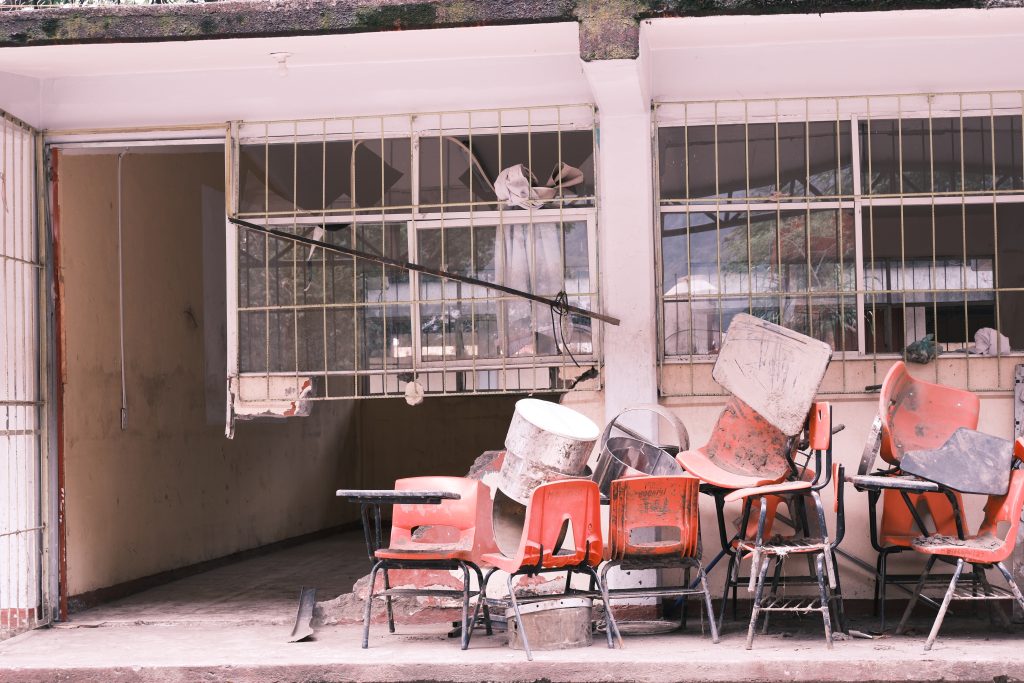
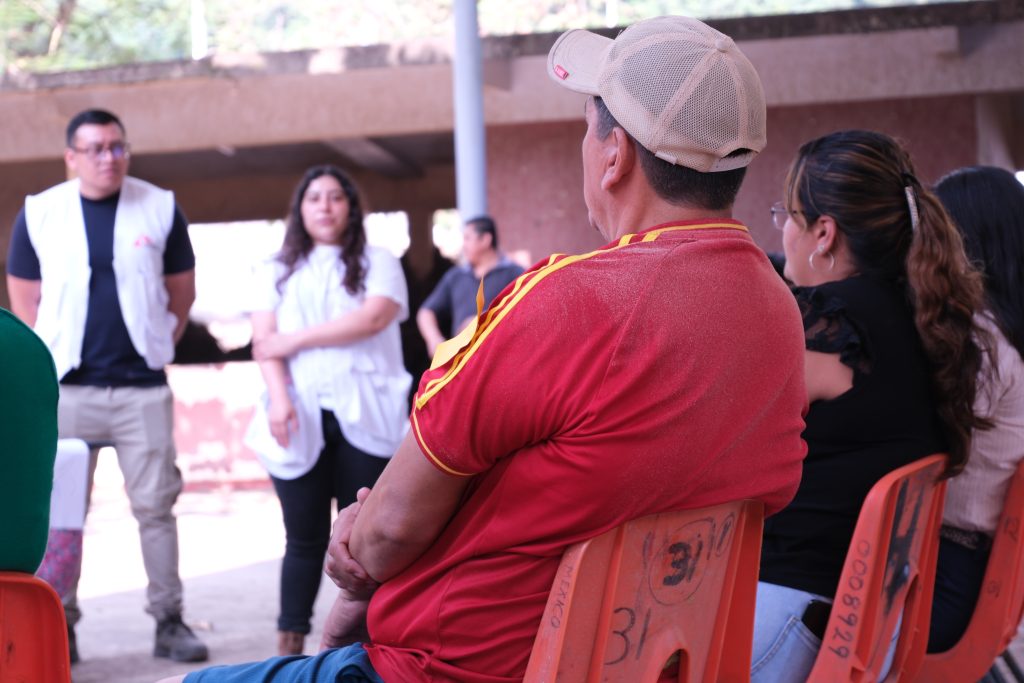
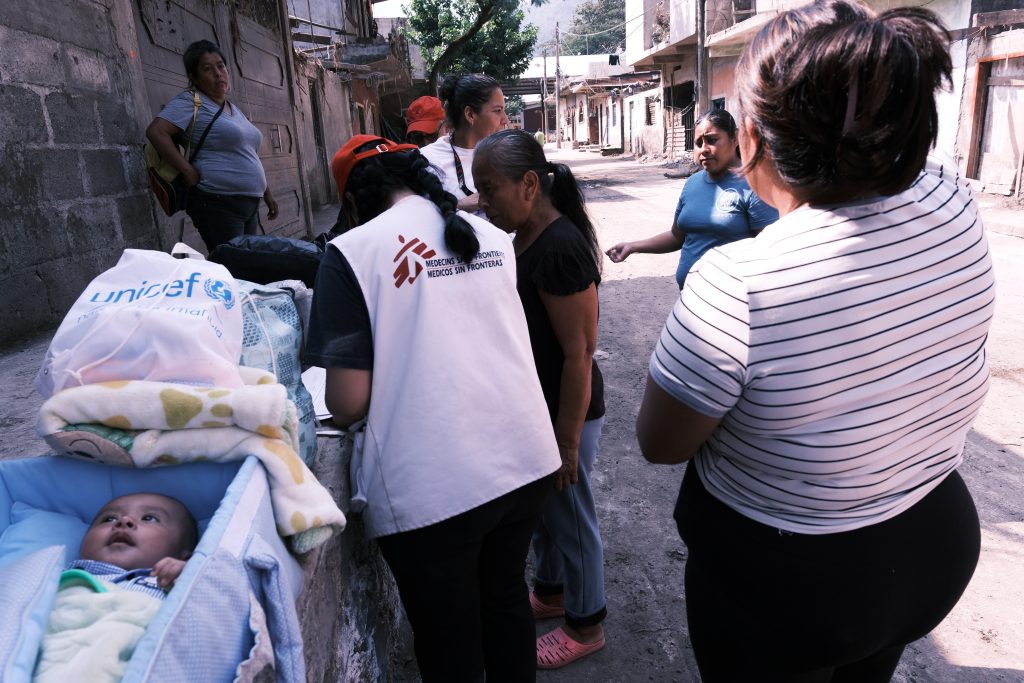
Mexico City, Mexico – After six weeks responding to the devastation caused by Hurricane Priscila in the state of Hidalgo, Doctors Without Borders/ Médecins Sans Frontières (MSF) announces the end of its emergency intervention in the Otomí-Tepehua highlands. During this period, MSF teams provided medical care, mental health and health promotion activities in 37 communities in the municipalities of San Esteban, San Jerónimo, Huehuetla and San Bartolo Tutotepec.
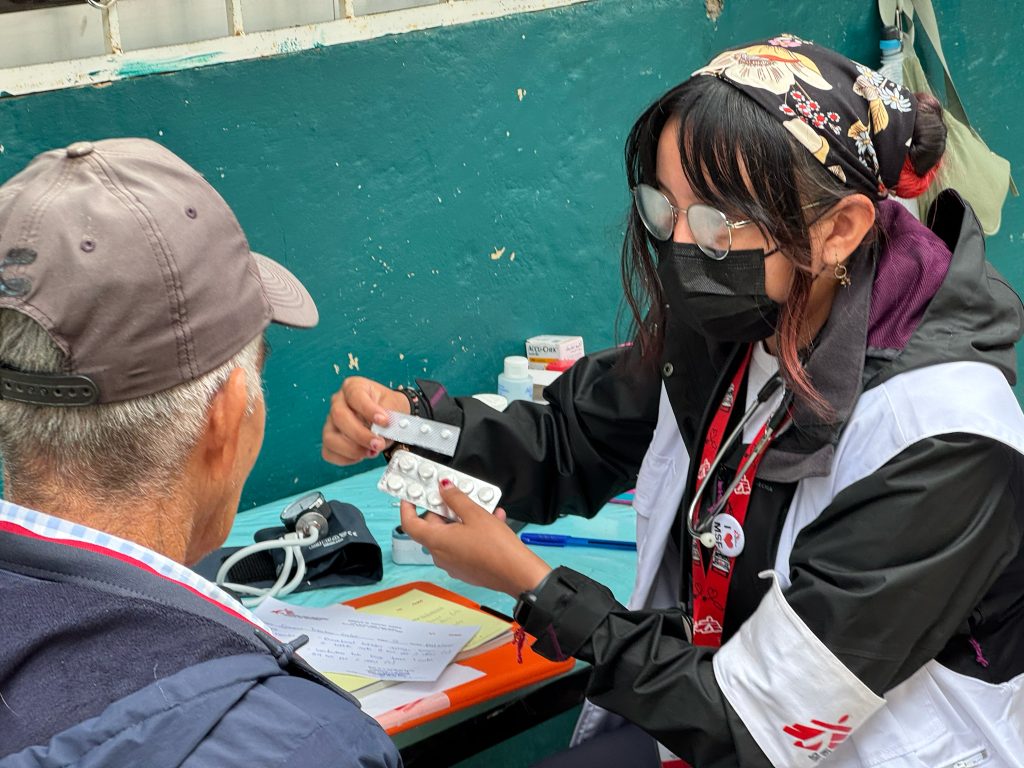
Soon after their arrival on 13 October, MSF deployed mobile clinics to reach rural and hard-to-access areas where landslides and floods had destroyed roads and disrupted basic services. To provide care, teams had to overcome difficult mobility conditions and depended heavily on the support of local communities, who acted as guides and used their pack animals to help transport medicines and supplies across rivers, mountains and long walking routes. In total, MSF teams provided 1,444 primary health consultations, 198 mental health sessions and 139 health promotion activities, prioritizing people with chronic diseases, pregnant women, older adults and families who lost their homes.
The emergency again showed the historical exclusion faced by rural Indigenous communities when trying to access health services. During our medical consultations, it was clear that access to mental health care, sexual and reproductive health and proper follow-up for chronic cases needs to be strengthened. However, even with destroyed roads, every community welcomed us and made this response possible. We must recognize that communities themselves took the essential steps to ensure that those affected did not face further harm. It is a community achievement but also a sign of a wider failure when survival depends only on the support of nearby communities.
Sinai Guevara
Project coordinator
Throughout the intervention, MSF identified high levels of psychosocial distress, insomnia, anxiety and acute stress, especially among women, children and older adults. MSF also documented many cases of respiratory illnesses, skin infections, gastrointestinal diseases, hypertension and uncontrolled diabetes. Among the conditions treated across the different points of care, 40 percent of our consultations were related to musculoskeletal issues and upper respiratory infections, highlighting the need to strengthen local health services for treatable conditions.
MSF recognizes the extraordinary collective work carried out in all the communities visited, as well as the solidarity that made it possible to bring health services to remote areas. We express our deep gratitude to everyone who offered lodging, food, transport, space in community centers and constant support to help our teams reach the areas most affected by landslides.
Although this intervention concludes, MSF calls for continued attention to the communities of the Otomí-Tepehua Sierra and for stronger health services, with special emphasis on mental health, primary care and access to medication. Climate emergencies do not affect all people in the same way, and existing inequalities become more severe when health and protection systems fail in the most critical moments.
“This experience can be seen as an example of collaborative work between authorities, local residents and civil society organisations, but we cannot assume that a response should only occur when the risk is at its highest,” Guevara said.
Like many websites, MSF uses cookies to enhance your user experience. By continuing to navigate this site you are giving consent to the issue of these cookies. No, give me more info
This website uses cookies to improve your experience while you navigate through the website. Out of these cookies, the cookies that are categorized as necessary are stored on your browser as they are essential for the working of basic functionalities of the website. We also use third-party cookies that help us analyze and understand how you use this website. These cookies will be stored in your browser only with your consent. You also have the option to opt-out of these cookies. But opting out of some of these cookies may have an effect on your browsing experience.
Necessary cookies are absolutely essential for the website to function properly. This category only includes cookies that ensures basic functionalities and security features of the website. These cookies do not store any personal information.
Any cookies that may not be particularly necessary for the website to function and is used specifically to collect user personal data via analytics, ads, other embedded contents are termed as non-necessary cookies. It is mandatory to procure user consent prior to running these cookies on your website.