Honduras: A safe space for LGBTQI+ patients in San Pedro Sula

Making care more inclusive isn’t just the right thing to do — it saves lives.

It’s late afternoon on a quiet street corner in San Pedro Sula, Honduras, but for a Doctors Without Borders/Médecins Sans Frontières (MSF) team, the main work is about to begin. Several boxes sit on the curb holding dozens of sexual and reproductive health kits to be distributed to LGBTQI+ people and sex workers — some of the city’s most marginalized communities. As an MSF truck pulls in, the team prepares to load the boxes and set off for a night of outreach work.

The community gets to know us and recognizes our staff. We tell people: ‘We are here with you, we can help you, trust us, and come to our services because they are for you.'
Armando Salinas
MSF’s health promotion supervisor

During these visits, the health promotion team provides education and awareness on sexual and reproductive health. For many marginalized people, this care and support would otherwise be inaccessible due to discrimination and exclusion in health care settings. This can discourage them from accessing care and lead to serious consequences for their health: LGBTQI+ people and sex workers are at greater risk of contracting HIV/AIDS, certain cancers, mental health conditions, and other health conditions, and are often targets of sexual and gender-based violence, which itself can cause a range of medical and psychological consequences requiring care.

With these factors in mind, in 2021 MSF opened a clinic in San Pedro Sula, the second-largest city in Honduras, tailored to the needs of LGBTQI+ people, sex workers, and survivors of sexual violence. With the values of inclusivity and respect at its core, the program offers comprehensive medical and mental health care in a space free of stigma and discrimination, where all patients are treated with dignity and respect and get the care they need.

“We approached the community, gained their trust, and learned about the needs,” says Diana Davila, MSF’s mobile health manager. “Based on that, we created strategies to improve access to care.”

What LGBTQI+ patients face at the doctor’s office
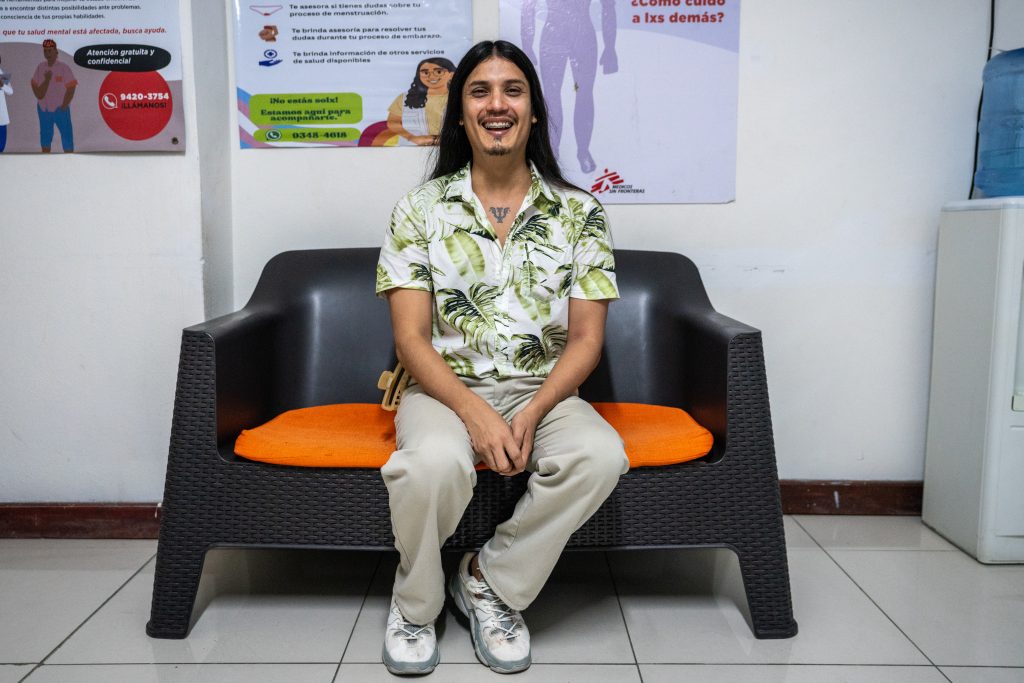
When we go to a public hospital or a health center, we're always faced with the looks of doctors who don't have any training in diversity or inclusion. They're always judging, they're always giving us dirty looks. And that makes us not want to go to a health center to receive medical care.
Jefry
A patient at MSF’s clinic in San Pedro Sula
Before Jefry started coming to MSF’s clinic, “I'd never had access to psychological care,” he says. “The first time I did was at MSF, and I think it marked a turning point in my life.” ©Fritz Pinnow Kawas/MSF

Societal stigmas and prejudice against LGBTQI+ people often surface in health care settings, turning them into a hostile environment where patients face being misgendered, outed, or mistreated based on their identity. In the absence of adequate health care settings, many people put off going to a doctor until their health has deteriorated, sometimes to the point that it’s too late.

In Honduras, medical forms and records use the name and gender assigned at birth in accordance with patients’ national ID documents. “From the moment you enter [a health facility], they won’t call you by your name,” Salinas explains. “If I’m a trans woman, they’ll always list the male gender. If I’m a trans man, they’ll list the female gender, not the gender with which I identify. And that’s where the differentiation of services begins.”

In many places around the world, health professionals do not receive the training required to help LGBTQI+ patients, resulting in knowledge gaps and inappropriate care. That’s why the MSF clinic is tailored to the patients’ needs, including sexual and reproductive health care, mental health care, and a robust health promotion program to overcome mistrust and misinformation arising from decades of exclusion.

The facility also has an in-house laboratory offering rapid testing, which means patients don’t have to leave the safe space of the clinic to access their test results. “We come here and feel confident getting tested,” says Melissa, a trans patient and sex worker. “We feel at home.”

Staff at the MSF clinic are trained on diversity and inclusion to ensure patients’ identities are treated with respect. This includes gestures like asking a patient for their preferred pronoun and calling them by their chosen name instead of what’s on their national ID. “We give people the opportunity to present themselves as they see themselves and how they feel, and we treat them accordingly,” says Salinas.
Mental health support without judgement

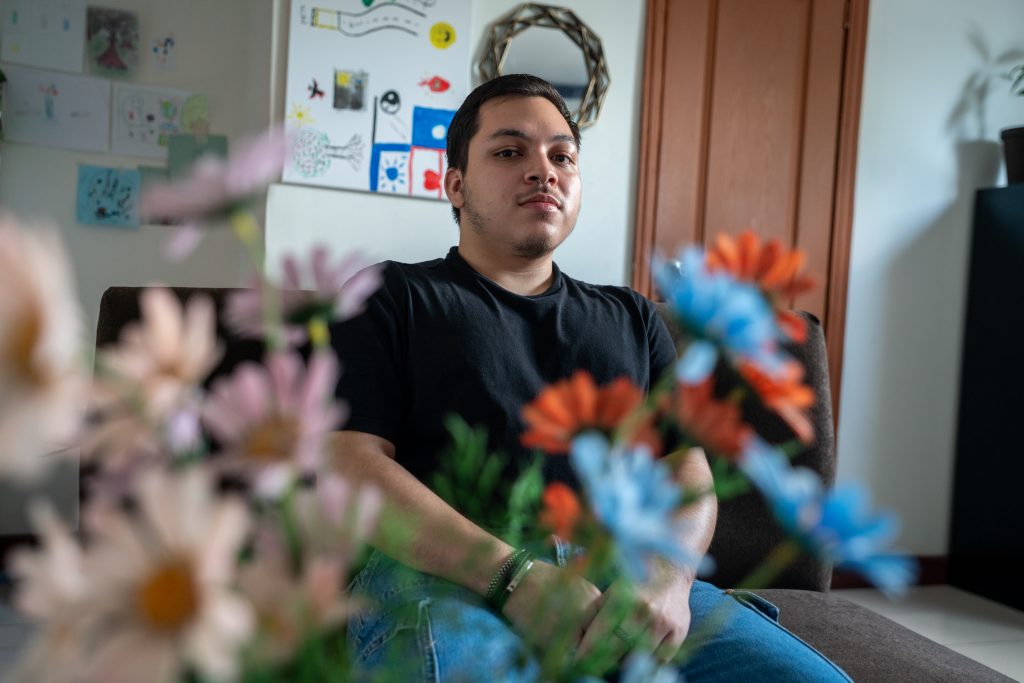
In a small office at the end of a corridor decorated with rainbow-hued drawings made by patients, 20-year-old David settles into a couch for a therapy session with MSF psychologist Jessica Zúniga. “When I arrived here, I was in a very bad place,” he explains. “I’ve been attacked in public. It makes me afraid … and there’s no way to protect ourselves, no place we can go to or call to report it.”

Experiencing discrimination and being targeted for who you are can have a profound impact on mental health. LGBTQI+ people face a greater risk of suicide and suicidal thoughts, mood disorders and anxiety, and substance abuse. At the same time, seeking mental health support can be daunting to those who may feel unable to express their true selves to a therapist.

Patients tell us that sometimes other providers mix their values, whether social or religious, into the consultation, and that's why they sometimes feel uncomfortable and discriminated against. When patients first come to me, they put up a barrier because they have the impression that maybe they’ll receive the same kind of [prejudiced] care here. But once patients open up to the process and see that this is a safe, confidential, and prejudice-free space, they tell us they feel quite accepted here.
Jessica Zúniga
MSF Psychologist

Like many, David was initially hesitant to seek care. “I was afraid that there would be a problem with talking about my issues in such an open way,” he says. “When I realized there was this place that was specifically for the community, I felt safer. And that’s why I decided to come.” He’s now been attending therapy for a year, which has helped him build coping skills to face his fears.

For Jefry, the experience was similar. “The first time I accessed mental health care was at MSF, and I think it marked a turning point in my life,” he shares. “I now consider myself a stronger, more emotionally intelligent person, and I feel I can better cope with the discrimination and rejection I face or may face every day.”

“When I arrived here, I was in a very bad place,” says David, a 20-year-old patient receiving mental health care at MSF’s clinic. “The first time I [accessed psychological care] was at MSF, and I think it marked a turning point in my life.” ©Fritz Pinnow Kawas/MSF
“I have been a human rights defender for LGBTQI+ people,” shares Osman, a patient at MSF’s clinic in San Pedro Sula. “I have always looked for the most humane assistance in the treatment of sexually transmitted infections.” ©Fritz Pinnow Kawas/MSF
A model of dignity and respect

Since 2021, the MSF clinic in San Pedro Sula has provided a range of medical and mental health services for people from vulnerable and marginalized communities. Sexual and reproductive health is a focal point, with services such as testing for sexually transmitted diseases, including rapid HIV tests; preventive vaccination; contraceptives, including injectables, IUDs, implants, and oral medications; and pre- and post-exposure prophylaxis (PrEP and PEP) for protection against HIV. It also has a robust mental health program, including an emergency hotline for patients in crisis, such as victims of sexual violence.

“MSF is more than a doctor’s office or a clinic,” says Jefry. “It’s a safe space we can go to without fear of being rejected or disrespected, where I can receive medical care without any prejudice.”

No one should be denied access to medical and mental health care simply because of who they are or whom they love. MSF is committed to ensuring that every individual, regardless of identity, has access to the comprehensive care they need. Making care more inclusive isn’t just the right thing to do — it saves lives.

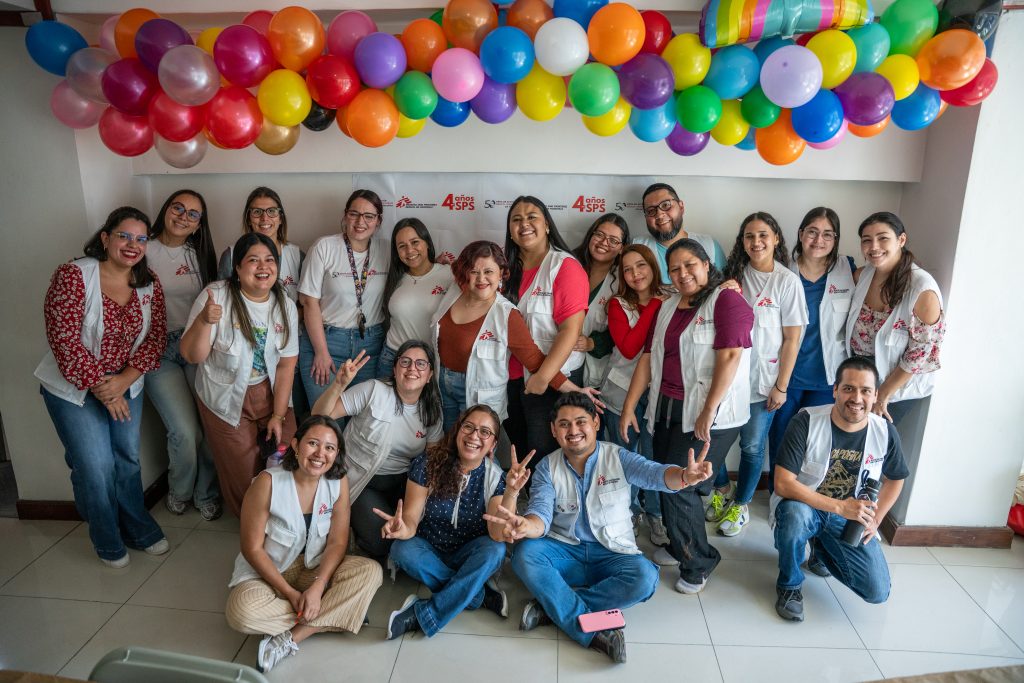
The MSF team in San Pedro Sula at the clinic’s 4th anniversary celebration, where patients were invited along with their families to join the festivities. ©Fritz Pinnow Kawas/MSF


Show Buttons
Share On Facebook
Share On Twitter
Share On Linkedin
Contact us
Hide Buttons