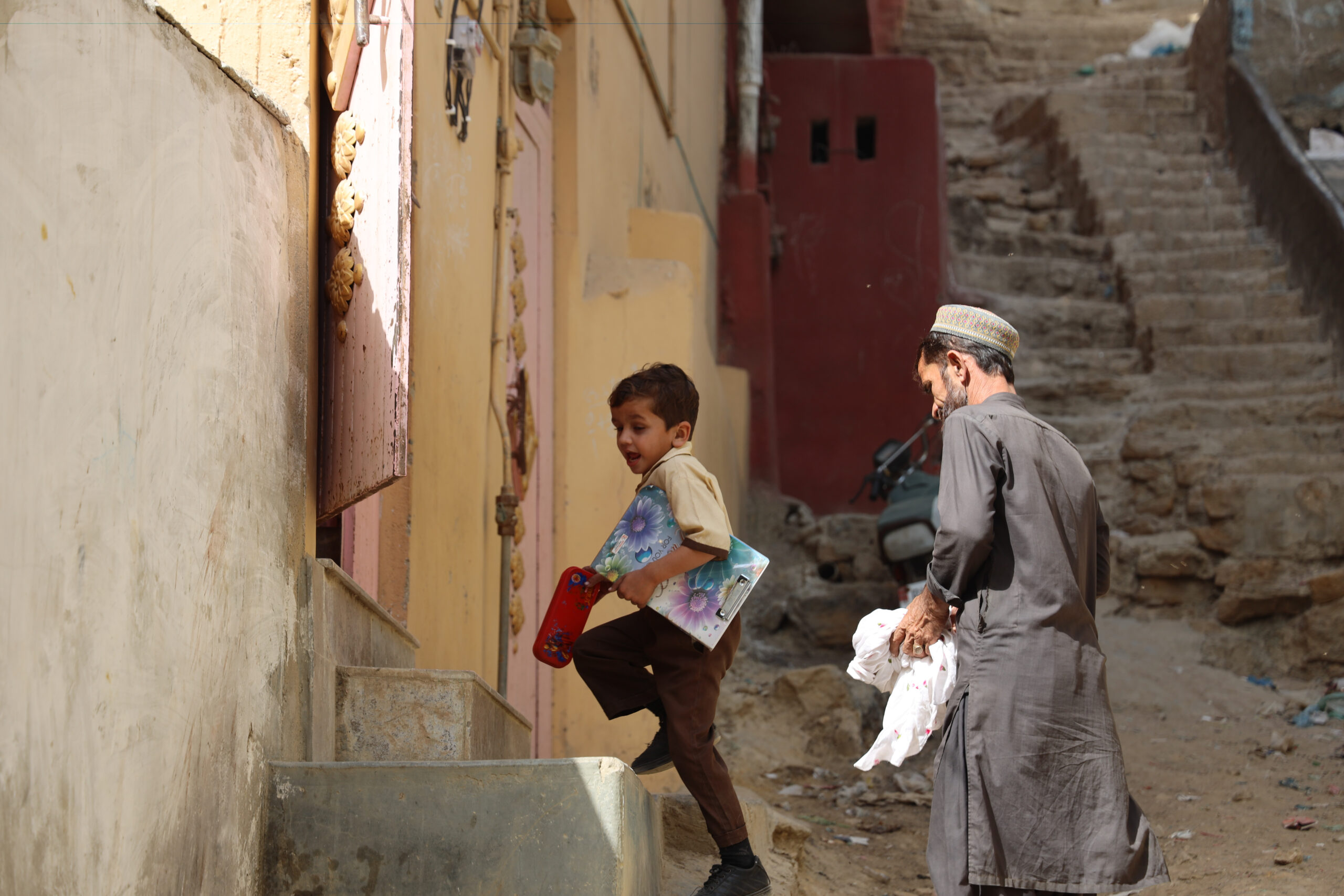
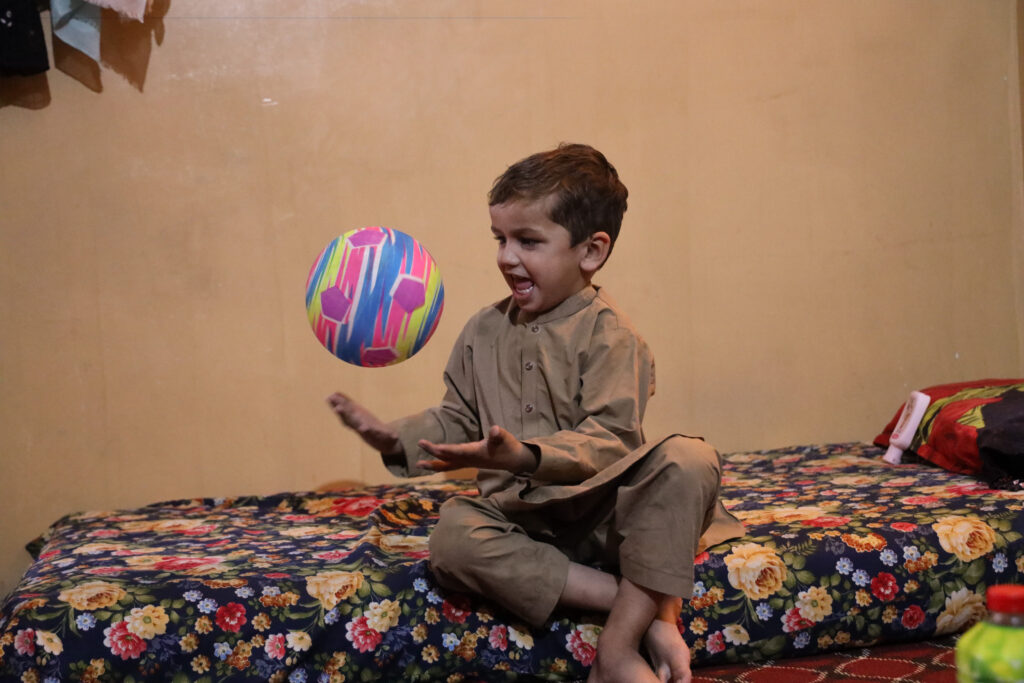
“He’s back at school and wants to play cricket again. I hope he will become a doctor and treat others the way he was treated here. If he studies, he will be able to tell others that TB treatment can be done this way.”

-Mustafa's Father
“ When I got the medicine, I felt such immense relief, thinking about the possible cure from this disease.”
Rofika
Rohingya Refugee
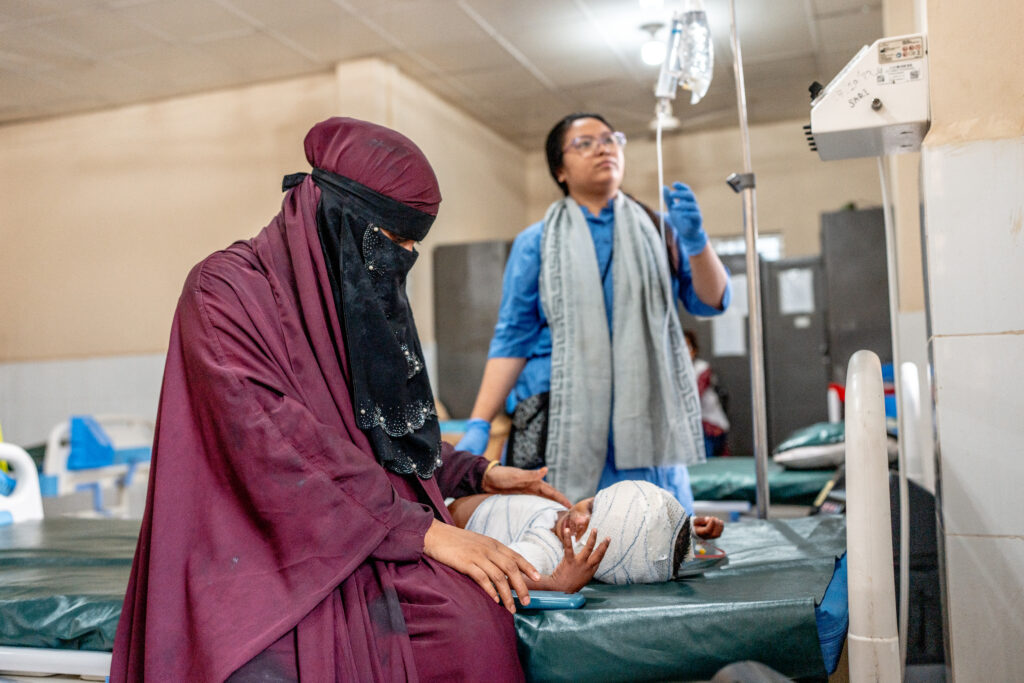
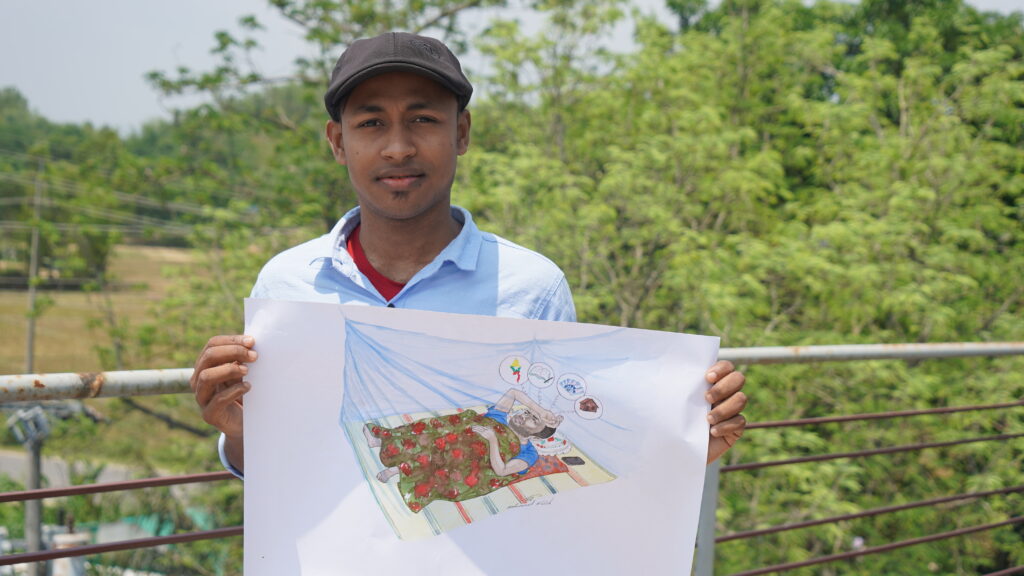
“If I stay silent just because I have suffered, it won’t work. I must talk to someone else and ask for help from those who can show me the way.”
Mohommad Faruq
Rohingya Refugee
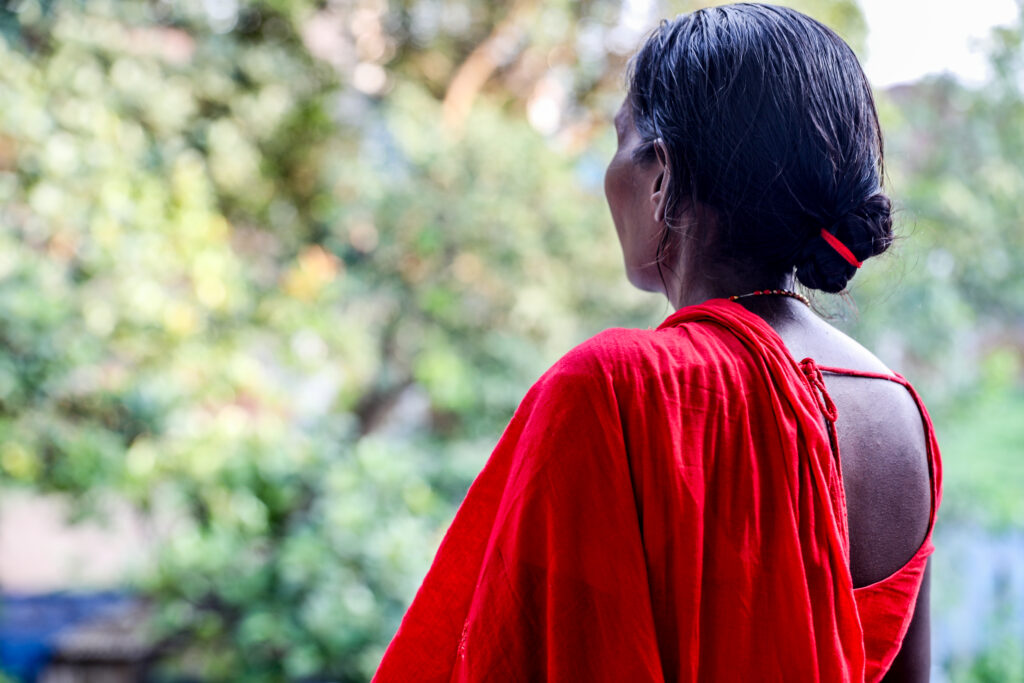
Remember, your courage is all you have. It is what saves you in the end.
Sunita*
HIV Survivor
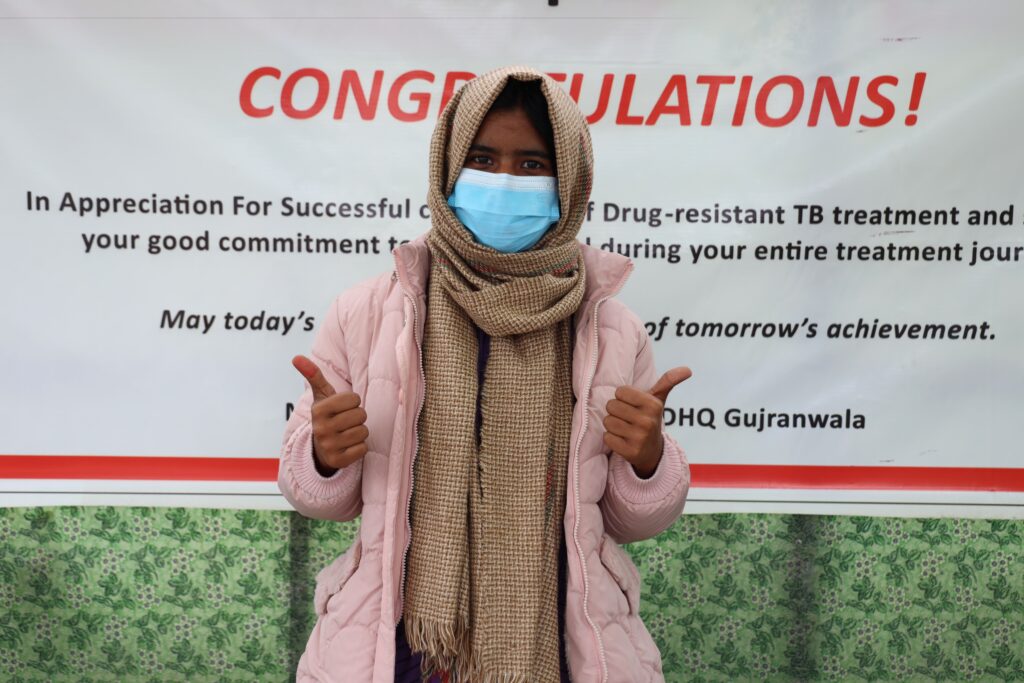
“If I stay silent just because I have suffered, it won’t work. I must talk to someone else and ask for help from those who can show me the way.”
Mafeefa Naveed
TB Survivor
Before this clinic, even for a minor treatment, we spent 9,000 rupees (Rs) just on travel [to reach a hospital]. It was unbearable for us.
Jan Akbar
Diabetic patient from Tirah Valley, Pakistan
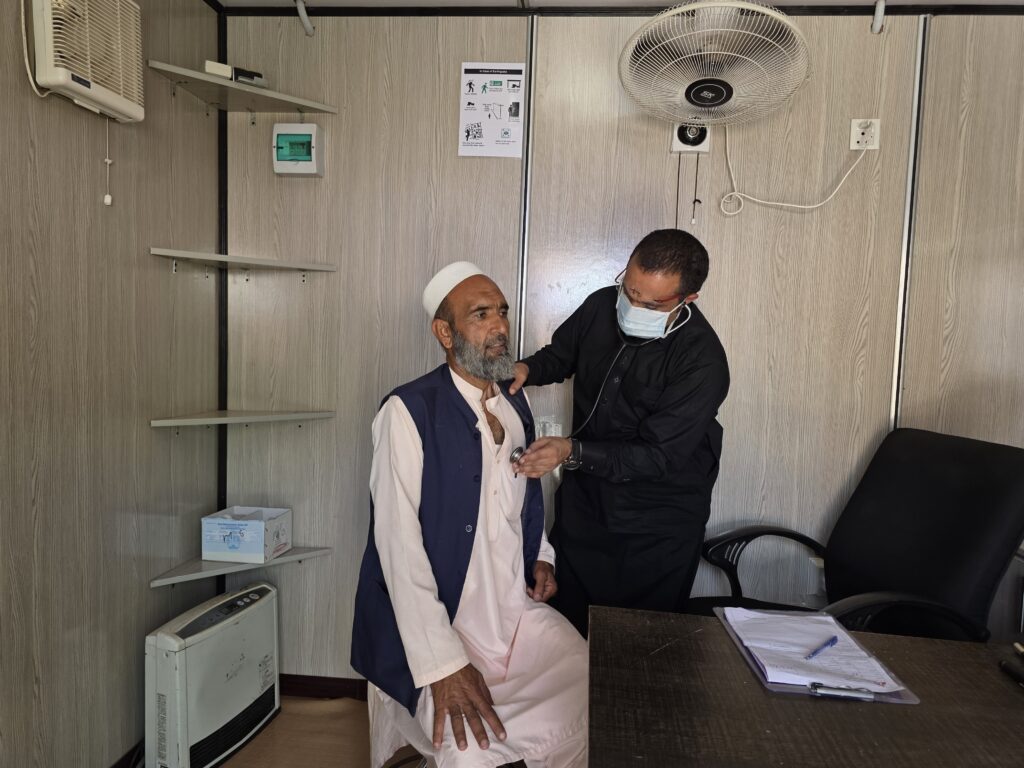
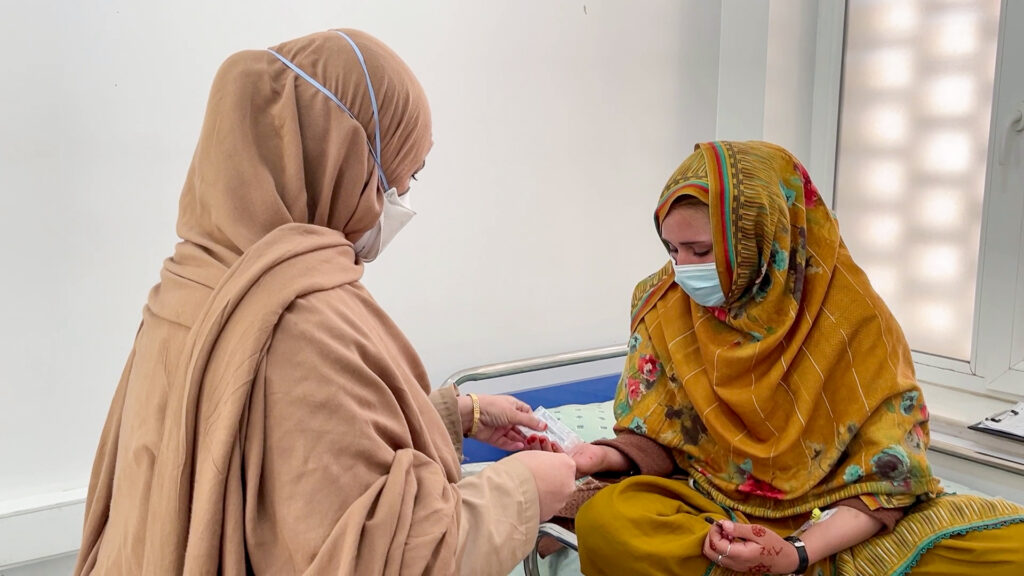
The doctors in the public hospital referred me to Kandahar for treatment. I’m improving and recovering with each passing day. When I first came here, I didn’t think I would survive.
Zainab
TB Survivor from Afghanistan
Living with HIV taught me resilience. I survived years without treatment, faced life-threatening complications, and battled stigma. But I want others to know: this is not the end. With proper medication, timely treatment, and a disciplined lifestyle, people living with HIV can lead fulfilling lives.
Rakesh*
HIV Survivor from Patna, Bihar
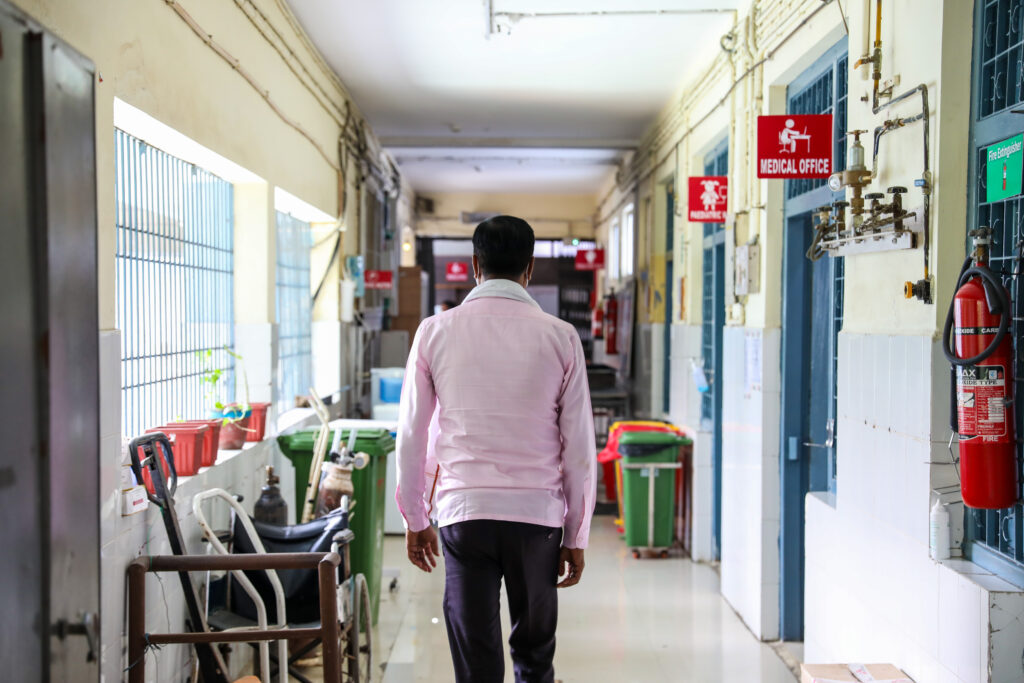
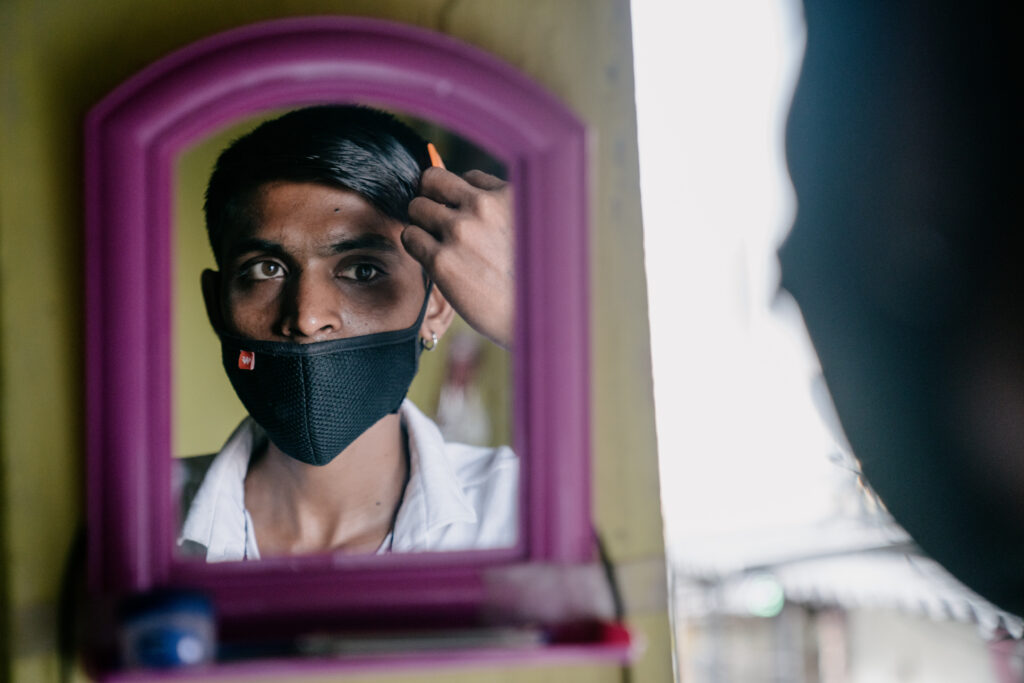
On those difficult days, my family was my rock. Their unwavering support kept me going,
Deepak Shegar
TB Survivor from Mumbai
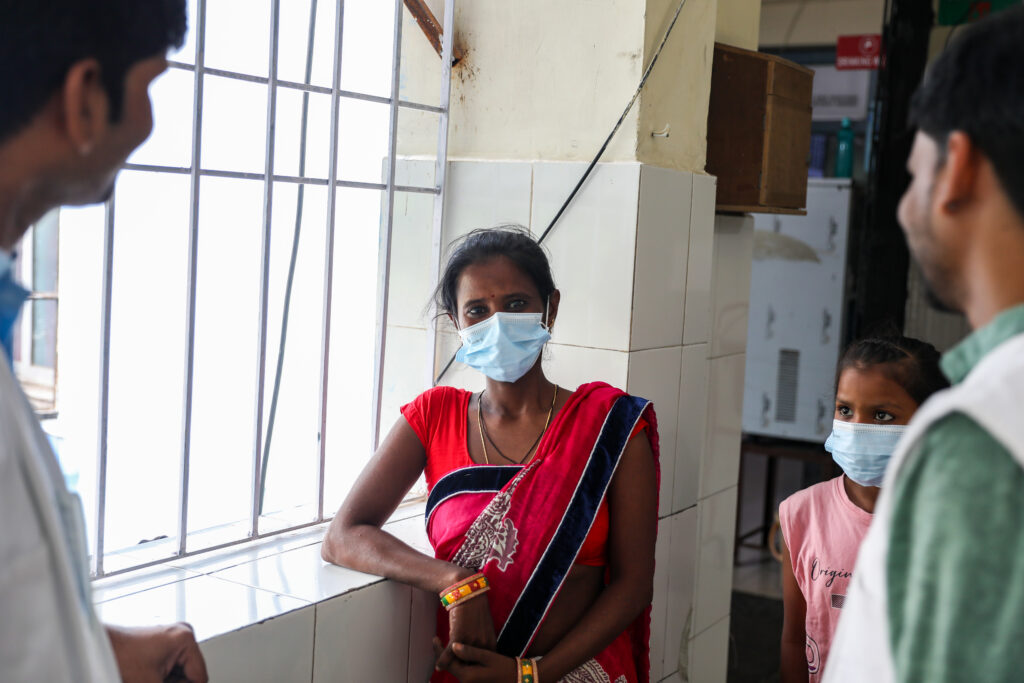
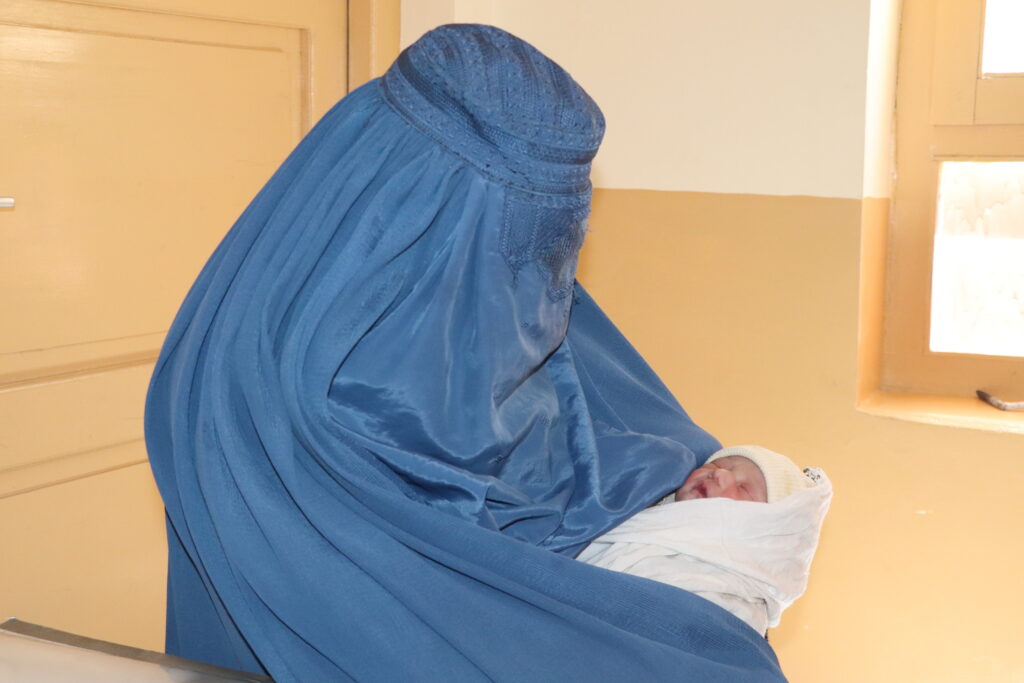
Before this clinic was built, we used to give birth at home. We didn’t have access to midwives or even vaccines.
Moslima
Mother from Afghanistan