At MSF, care is not only about treating illness or injury, it is also about supporting people to regain dignity, confidence and control over their own lives. In many of the contexts where MSF works, patients have experienced conflict, displacement, exclusion, trauma or serious illness. Their choices may have been limited, their voices ignored, and their futures disrupted.

Through medical care, mental health support, health promotion, community engagement and patient-centred services, MSF teams work alongside patients so they can be heard, informed and involved in decisions about their own care. This means creating safe spaces for people to speak openly, ensuring they understand their treatment options, and supporting them to rebuild their lives beyond the immediate crisis.

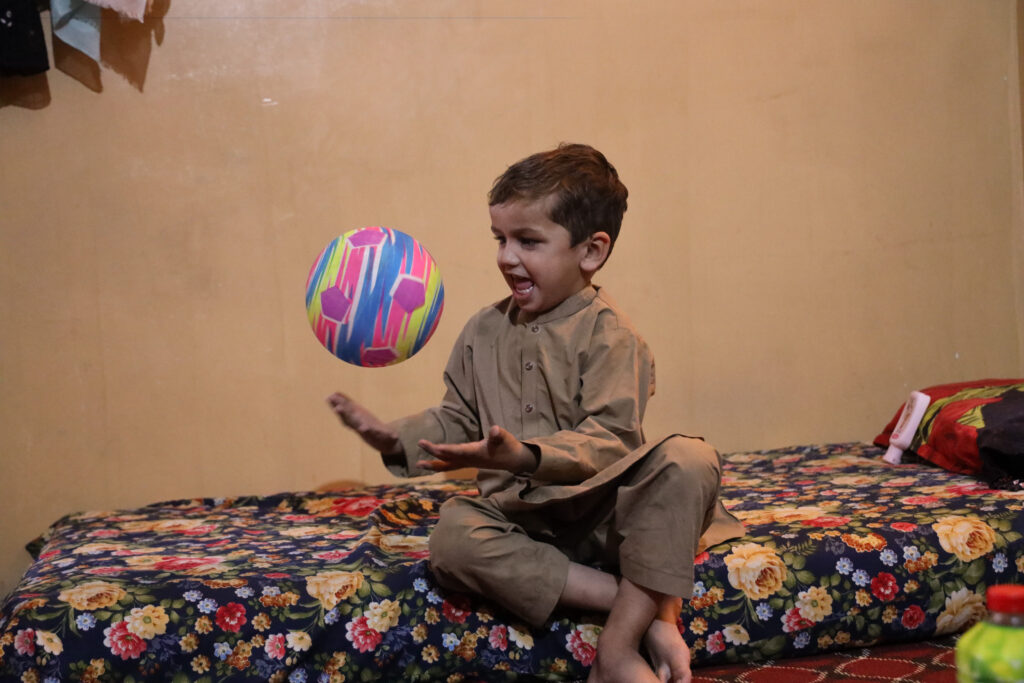
Six-year-old Mustafa from Hafizabad, Baldia Town, is playing with a ball at his home, recovering from TB after completing his treatment at the MSF TB clinic in Baldia Town, Karachi. Mustafa was diagnosed with TB when he visited an MSF chest camp in his locality, following his father’s persistent concerns and visits to several doctors. ©Gul Nayab/MSF
Mustafa, TB Survivor from Karachi, Pakistan

Read their story

“He’s back at school and wants to play cricket again. I hope he will become a doctor and treat others the way he was treated here. If he studies, he will be able to tell others that TB treatment can be done this way.” 

-Mustafa's Father
Rofika, a Rohingya refugee from Bangladesh 
“ When I got the medicine, I felt such immense relief, thinking about the possible cure from this disease.”
Rofika
Rohingya Refugee
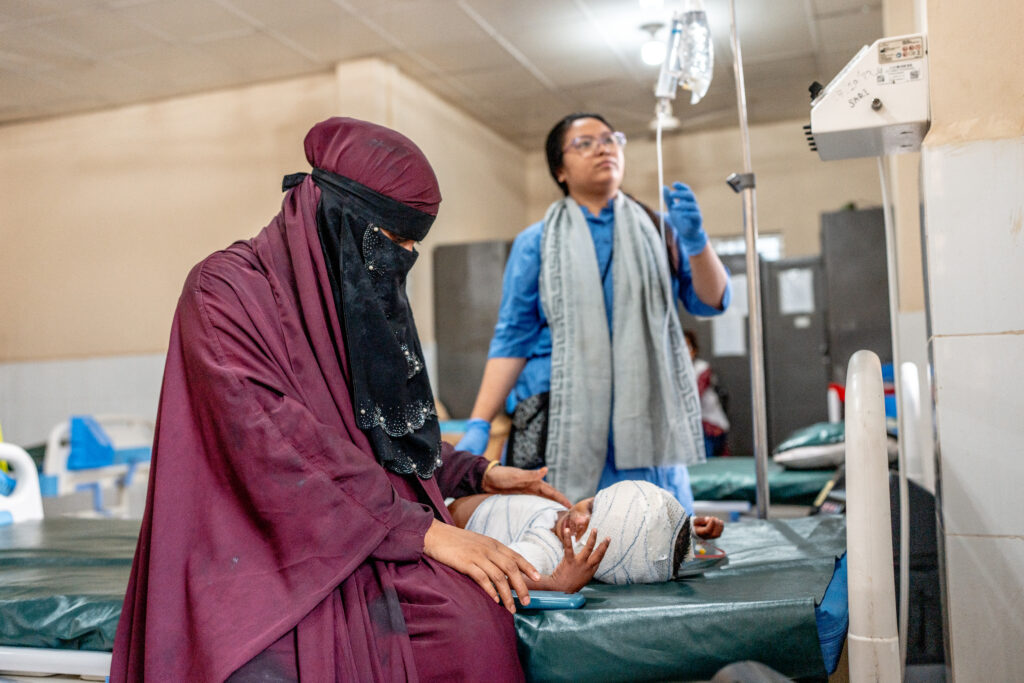
Kutupalong Refugee Camp, Rohingya Response: Rofika (29 years old) came to the MSF Kutupalong hospital with her three years old son Solman. Solman fell onto the hot pan while cooking and suffered extensive burns. The MSF team treated and dressed his burns. Nurse Boishakhi Chakma takes care that Solman can recover after the treatment. ©Ante Bussmann/MSF
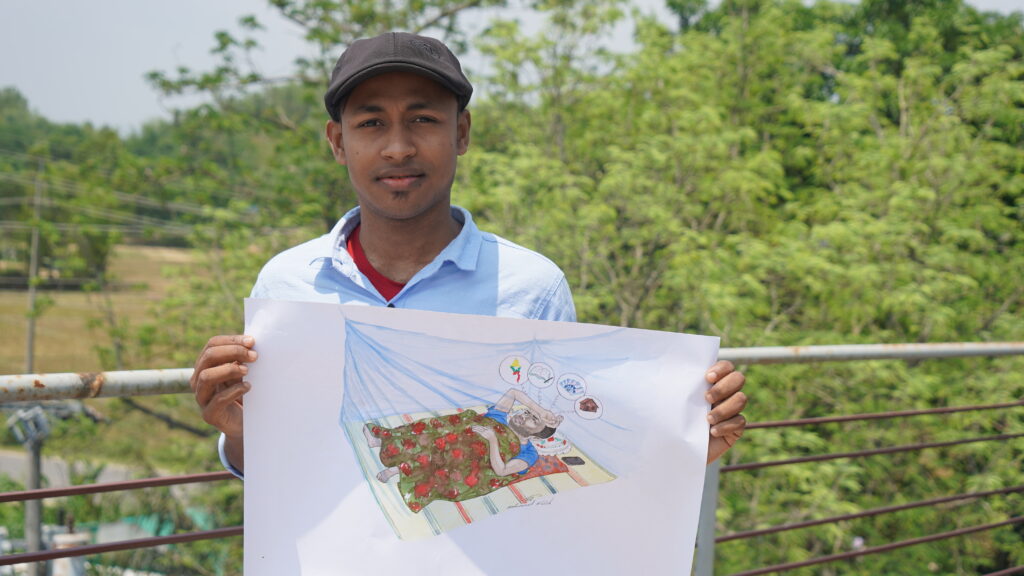
“Restless Nights” by Mohammod Faruq- 21-year-old Rohingya artist In this self-drawn photo artwork, Mohammod Faruq portrays the silent struggles many Rohingya people face at night. When they try to sleep, countless worries fill their minds — fears for safety, memories of loss, and uncertainty about the future. These sleepless nights reflect not just physical exhaustion, but deep emotional pain. ©Farah Tanjee/MSF
Mohammad Faruq, Rohingya refugee in Cox’s Bazar
“If I stay silent just because I have suffered, it won’t work. I must talk to someone else and ask for help from those who can show me the way.”
Mohommad Faruq
Rohingya Refugee
Sunita*, HIV Survivor
Remember, your courage is all you have. It is what saves you in the end.
Sunita*
HIV Survivor
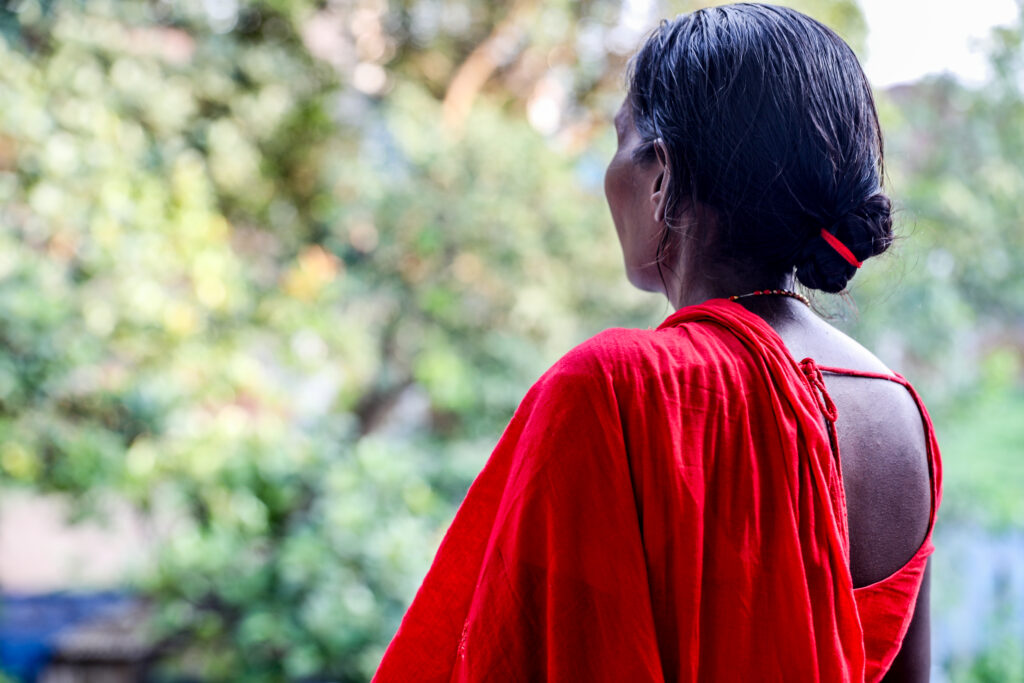
Sunita*, an HIV survivor, gazes out from a balcony with hope and determination for a brighter future after her regular follow-up at MSF’s advanced HIV care centre at Guru Gobind Singh Hospital, Patna, Bihar. Her resilience and optimism shine as she continues her journey toward healing and empowerment. *Name changed ©Deepak Bhatia/MSF
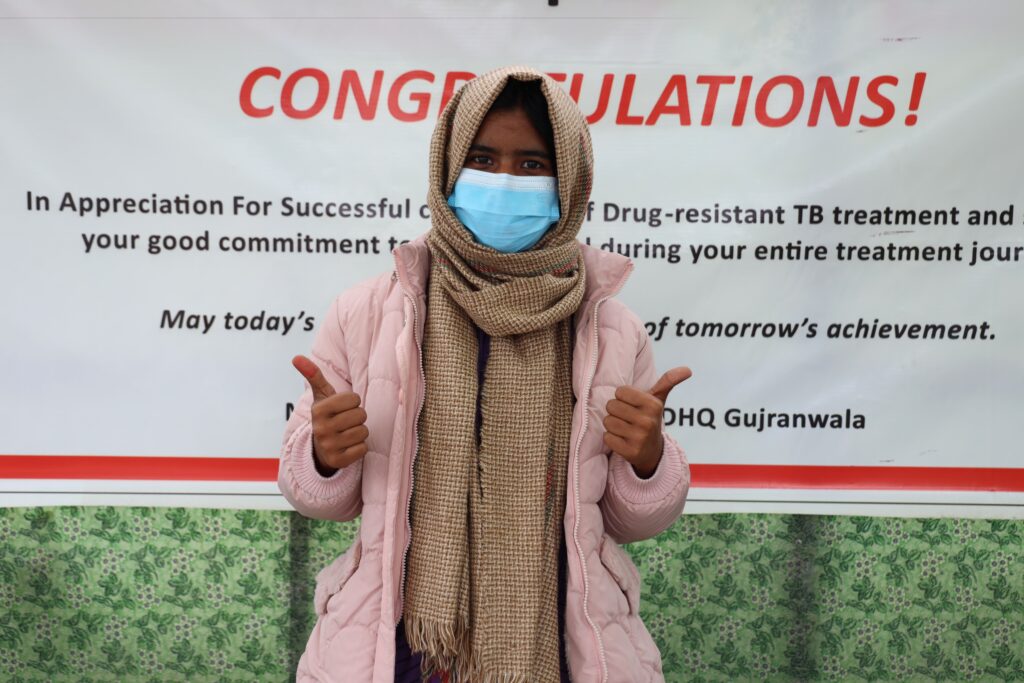
17-year-old Mafeefa Naveed at the MSF PMDT site during her treatment completion ceremony. She has completed an 18-month-long treatment for drug-resistant tuberculosis and has been cured. ©Gul Nayab/MSF
Mafeefa Naveed, Patient at MSF-supported PMDT clinic in Gujranwal

Read Mafeefa’s story

“If I stay silent just because I have suffered, it won’t work. I must talk to someone else and ask for help from those who can show me the way.”
Mafeefa Naveed
TB Survivor
Jan Akbar, A diabetic patient
Before this clinic, even for a minor treatment, we spent 9,000 rupees (Rs) just on travel [to reach a hospital]. It was unbearable for us.
Jan Akbar
Diabetic patient from Tirah Valley, Pakistan
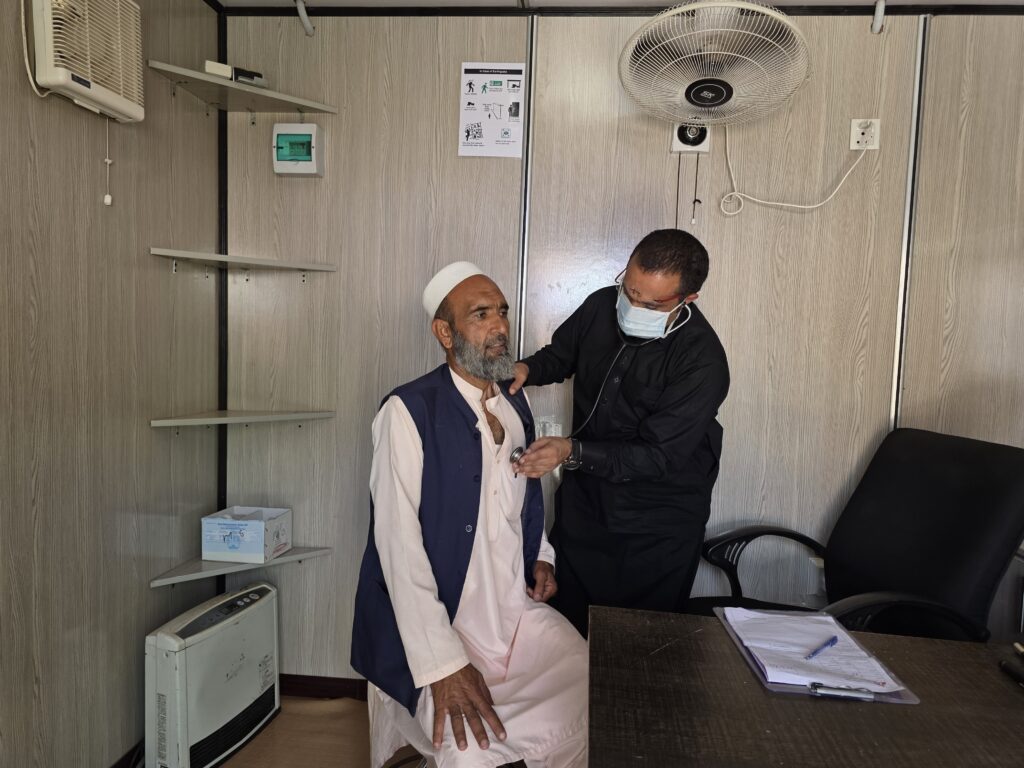
MSF medical doctor Atta ur Rahman is examining a diabetic patient, Jan Akbar, during an outpatient consultation at the MSF primary healthcare clinic in Tirah Valley, Khyber Pakhtunkhwa. This clinic is the only facility in the area providing health services to residents who would otherwise have to travel to distant hospitals, which is not affordable for them. ©Gul Nayab/MSF
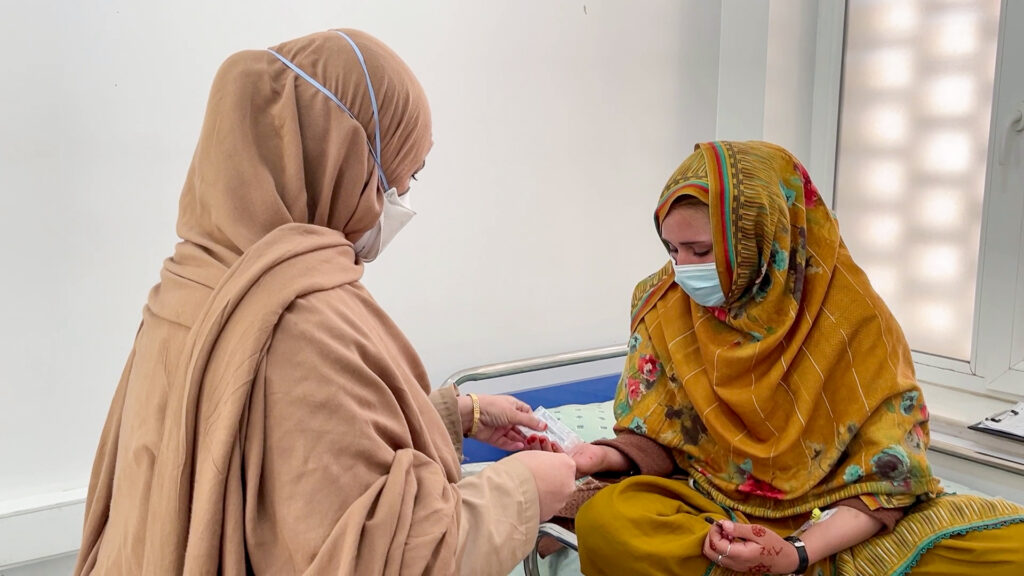
An MSF nurse gives TB medication to Zainab, who is being treated for drug-resistant TB at the TB hospital in Kandahar, Afghanistan. Zainab was on medication for 28 months in Jalalabad, in eastern Nangarhar Province, before she was referred to the MSF TB hospital in Kandahar. She has been under treatment at the MSF hospital for the past month. ©Noor Ahmad Saleem/MSF
Zainab, TB Survivor

Read her story

The doctors in the public hospital referred me to Kandahar for treatment. I’m improving and recovering with each passing day. When I first came here, I didn’t think I would survive.
Zainab
TB Survivor from Afghanistan
Rakesh*, an HIV survivor
Living with HIV taught me resilience. I survived years without treatment, faced life-threatening complications, and battled stigma. But I want others to know: this is not the end. With proper medication, timely treatment, and a disciplined lifestyle, people living with HIV can lead fulfilling lives.
Rakesh*
HIV Survivor from Patna, Bihar
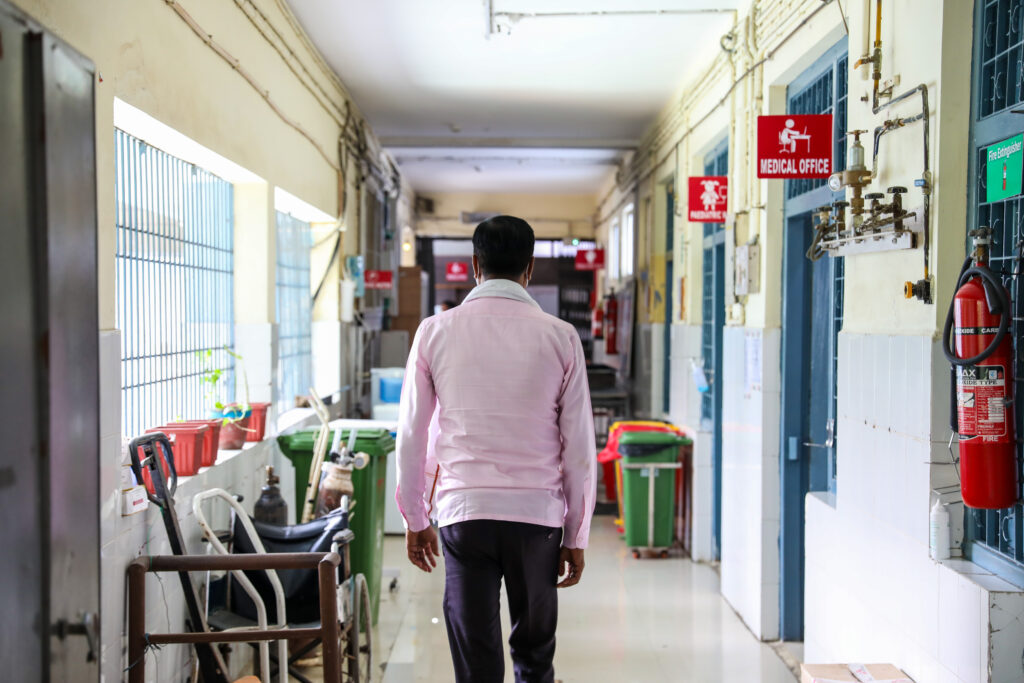
Rakesh*, an HIV survivor, walks out after leading a mental health group session at MSF’s advanced HIV care centre at Guru Gobind Singh Hospital, Patna, Bihar. He now motivates other HIV patients and supports them on their journey. *Name changed ©Deepak Bhatia/MSF
23-year-old Deepak Shegar is so much more than his condition. He aspires to have a career in the garment industry, loves cricket, and wants to get his hands on a brand-new bike. But it took him years to get to this point where he can work towards his goals and fulfill his dreams. ©Prem Hessenkamp
Deepak Shegar, TB Survivor

Read his story

On those difficult days, my family was my rock. Their unwavering support kept me going,
Deepak Shegar
TB Survivor from Mumbai
Nisha*, HIV Survivor from Patna, Bihar

“Living with advanced HIV is not just a physical challenge; it affects your mind and spirit too. The mental health support I received was critical in helping me face my fears, the stigma, and the uncertainty.” 

Read Nisha’s story

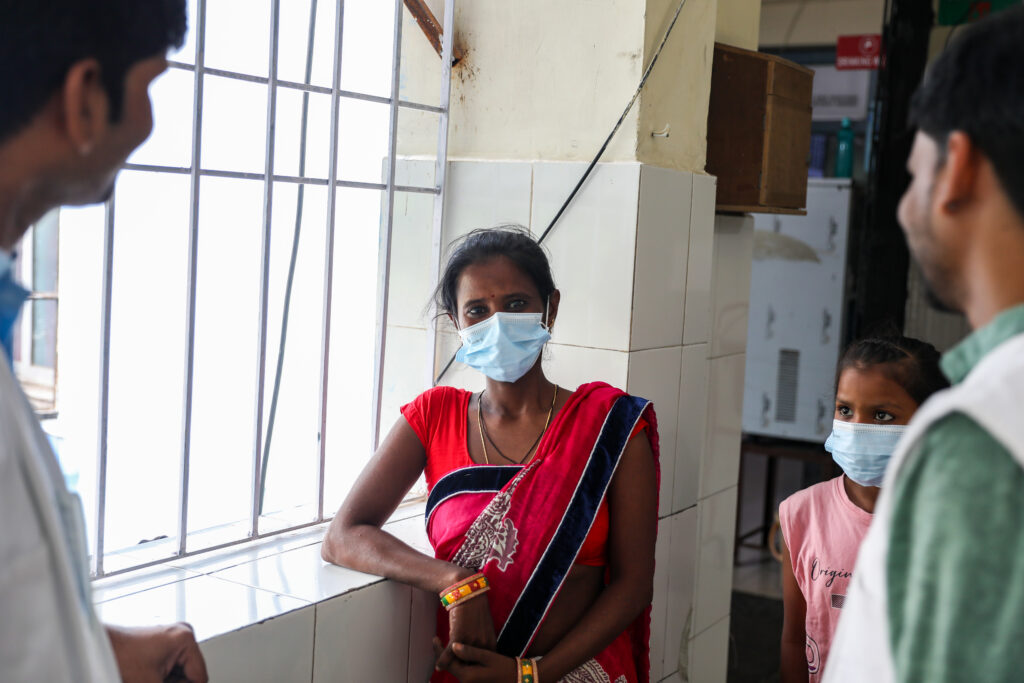
Nisha*, an advanced HIV survivor, and her daughter interact with the mental health team at MSF’s advanced HIV care centre at Guru Gobind Singh Hospital, Patna, Bihar, engaged in conversation. Her daughter has been a strong pillar of support throughout her recovery from HIV. *Name changed
Moslima now has four children, but this was the first time she gave birth in a health facility. All Moslima's previous deliveries happened at home. She says she wanted to make the four-hour journey to the subhealth centre in case there were any complications with her delivery, and to access medications to help her heal and recover. ©Logan Turner/MSF
Moslima, a mother from Bamyan, Afghanista

Read her story

Before this clinic was built, we used to give birth at home. We didn’t have access to midwives or even vaccines.
Moslima
Mother from Afghanistan

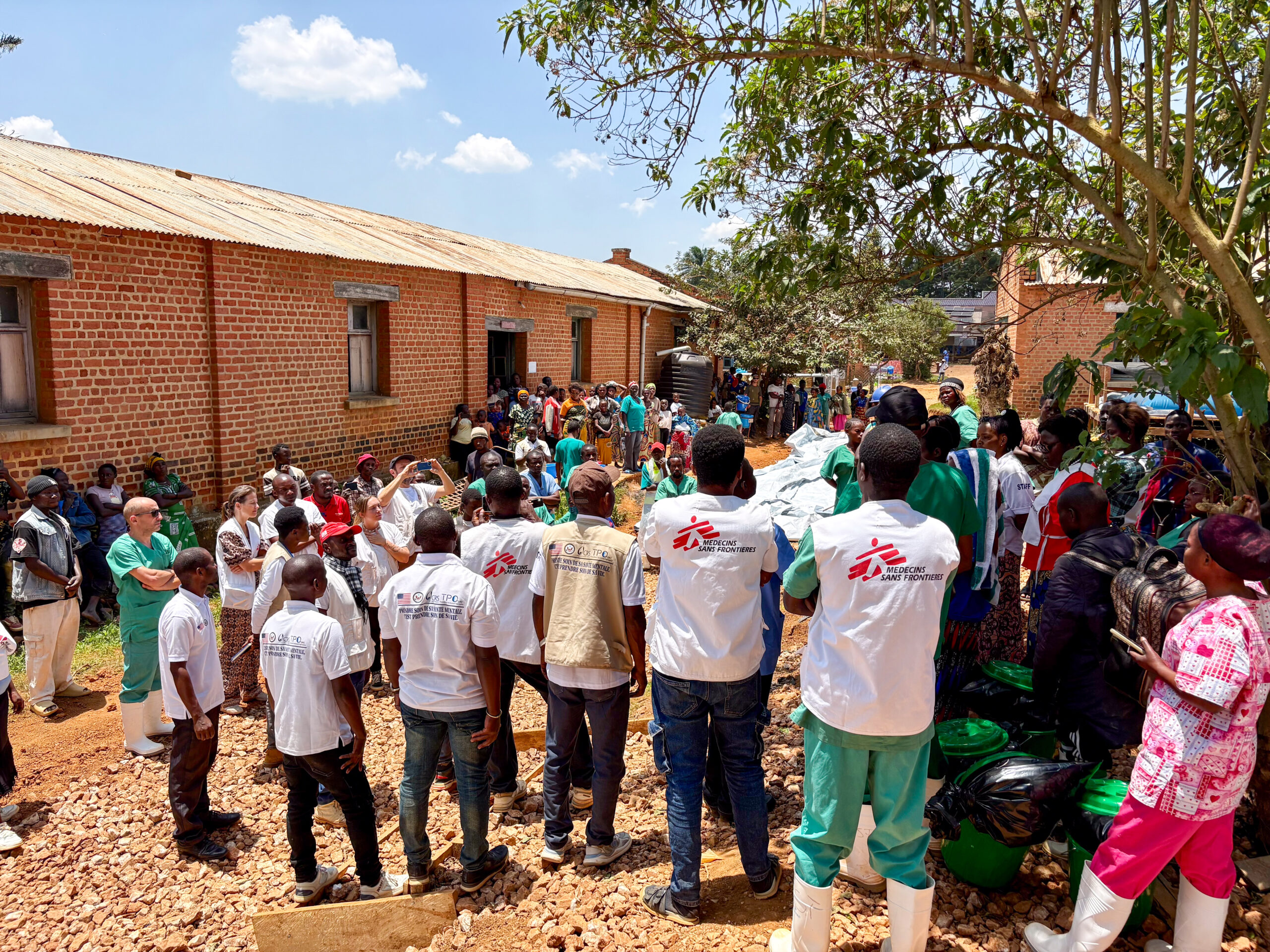
In each case, MSF’s role is not to speak for patients, but to help create the conditions where they can speak for themselves with dignity, agency and hope. By listening to patients’ experiences and responding to their needs, MSF supports people not only to survive, but to reclaim their voice, their choices and their lives.